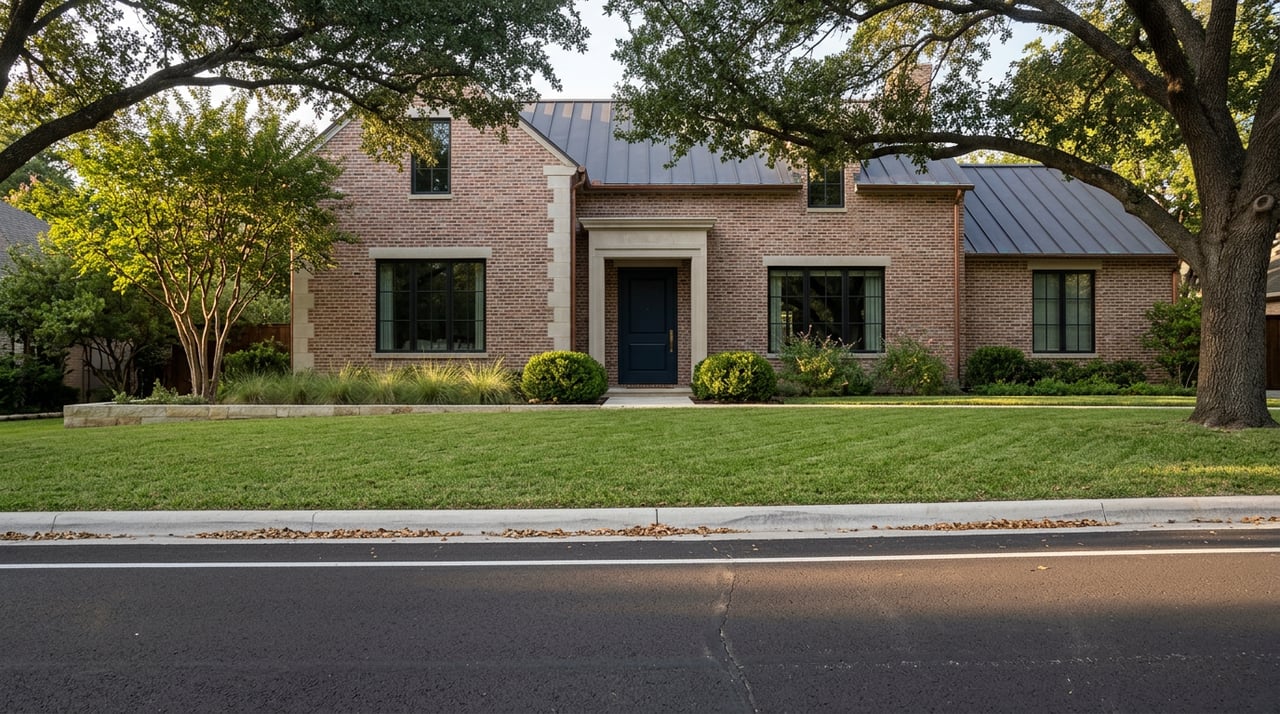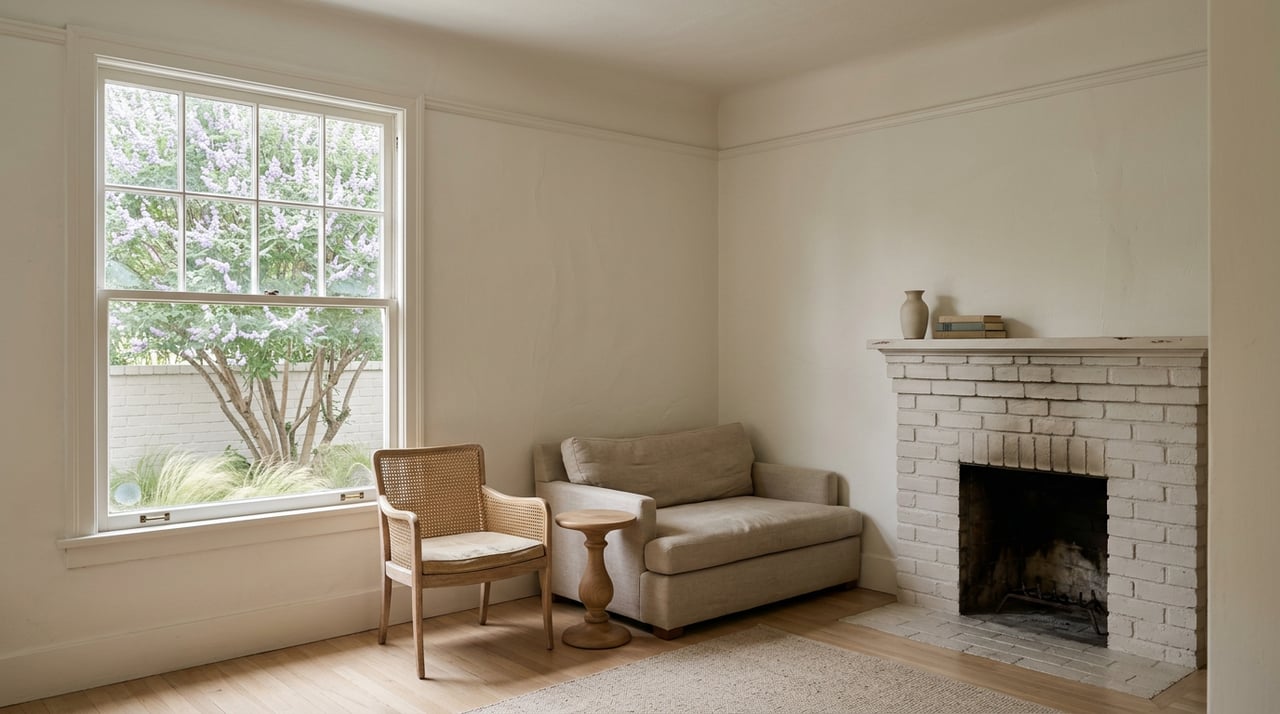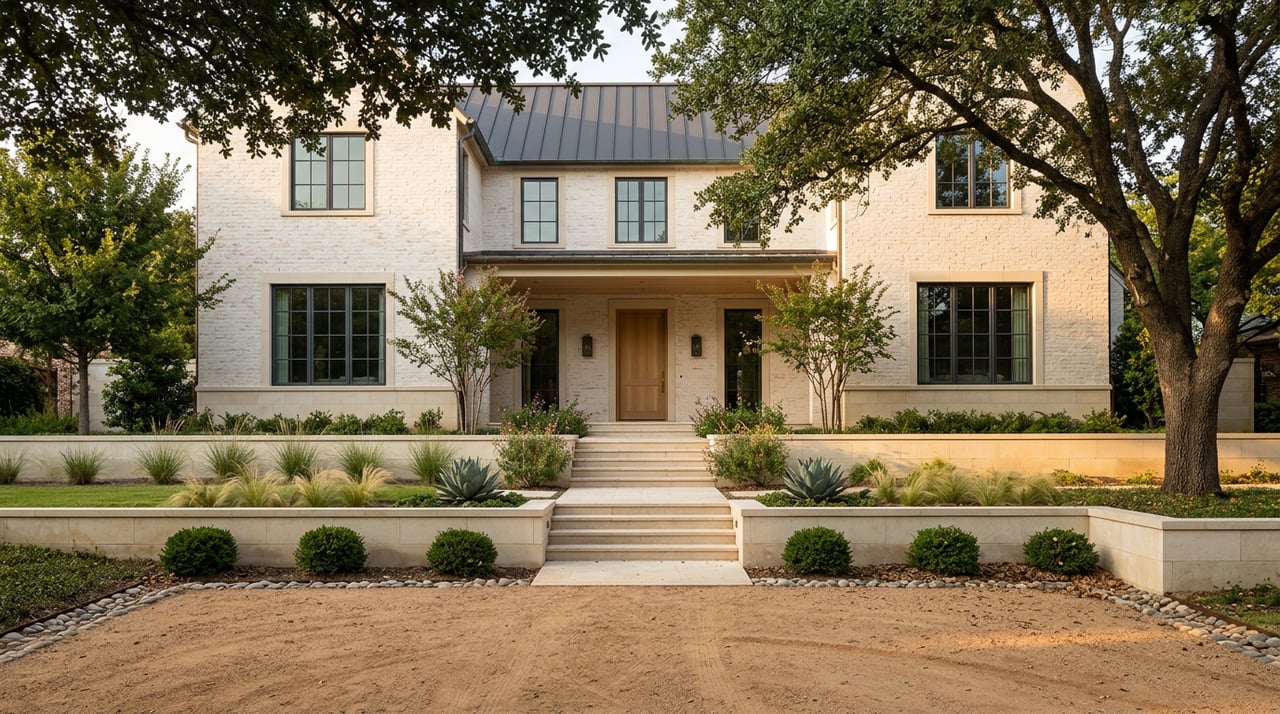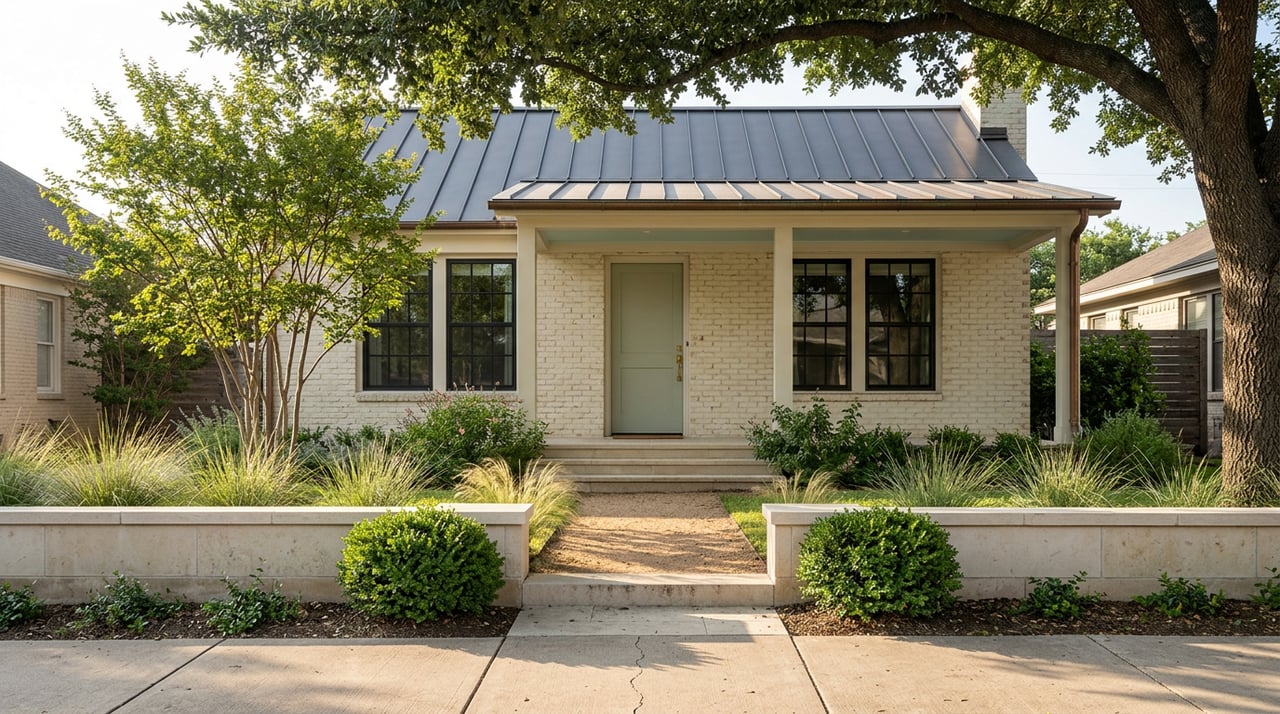
For decades, a Saturday in Clarksville followed the same short walk. You started at Josephine House, drifted to Cipollina for a slice of pizza and a glass of something Italian, and finished at Nau's Enfield Drug with a milkshake at a counter that has been in place since 1951. West Lynn Street was the whole map.
That map is quietly redrawing itself two blocks south.
The thesis of this post is simple, and it is not the one you have read on three other sites: Clarksville is no longer a one-street neighborhood. A second gravitational center has taken shape along West Sixth at Blanco, and the interesting question for anyone who already lives here is not whether it will change the daily rhythm, but how you build a Saturday that uses both blocks instead of choosing between them.
West Lynn Still Sets The Tempo
The old spine of the neighborhood is doing exactly what it always did, and that is a compliment. Josephine House sits in a little blue cottage on the corner of Waterston Avenue and West Lynn Street, still open for breakfast through dinner, still the reason so many mornings here begin slowly. The daily menu, available from 9 a.m. to 2:30 p.m., runs from a Nutella morning bun to a burger layered with Gruyère and a farm egg, and the ivy pergola outside is doing more work than any host stand.
Down the block, Cipollina has been serving handmade pasta and wood-fired pizza to Clarksville since 1999, which by Austin standards makes it a permanent fixture. Nau's Enfield Drug, founded in 1951, is the counter that anchors every out-of-town-guest tour. Caffé Medici keeps the sidewalk populated with laptops and strollers. Jeffrey's, half a block away, remains the neighborhood's dress-up room.
None of this is going anywhere. What has changed is that West Lynn is no longer the only address in Clarksville that pulls people out of their kitchens on a Saturday morning.
Two Blocks South, A Second Center Of Gravity
Walk down Blanco toward West Sixth and the block reads differently than it did three years ago. The corner is being reshaped by Sixth & Blanco, the first mixed-use development by Larry McGuire of MML Hospitality, a partnership with Tom Moorman and Liz Lambert, redeveloping the 1.6-acre property at the intersection of West Sixth and Blanco. This is not another glass box. The design is the first project by Pritzker Prize-winning Swiss firm Herzog & de Meuron to be built in Texas, and the five-story complex will include ten three- to four-bedroom residences, a 57-key MML-operated hotel called The Blanco, a private members club and bathhouse, and high-end retail, art galleries, and restaurants.
The interesting part for a current resident is that the district around it is already open. The restored bungalows on the block are home to Howard's, Rosie's Wine Bar, Clark's Oyster Bar, Pecan Square Café, Elle's Boutique, Lora Reynolds Gallery, Wally Workman Gallery, La Embajada, and Align Pilates. Swedish Hill's deli, café, and bakery sit inside the same walking radius. You do not need to wait for the tower to be finished to feel the shift; you just need to change your usual left turn to a right.
Larry McGuire has been direct about the ambition. He has described the long-term vision as a locally fueled high street for Austin, and Sixth & Blanco will add 20-25 commercial tenants to the mix, with a similar project planned on another acre and a half between Harlan and Winflo streets.
Here is the practical version of that ambition, from the perspective of someone who already lives inside the ZIP code:
| West Lynn block | West Sixth at Blanco |
|---|---|
| Morning coffee and pastry: Caffé Medici, Swedish Hill | Morning coffee and pastry: Pecan Square Café |
| Weekend brunch: Josephine House | Weekend oysters and rosé: Clark's |
| Weeknight pasta: Cipollina | Weeknight wine bar: Rosie's |
| Old-Austin counter: Nau's | Late-night: Howard's |
| Galleries and boutiques: scattered | Galleries: Lora Reynolds, Wally Workman clustered |
Nothing on the left column is being replaced. What is happening is that the right column now exists at all, in a walkable configuration, and that is a change worth noticing even if you have not eaten at any of it yet.
A Saturday That Uses Both Blocks
If you have been running the same three-stop loop for a year, here is a route that stitches the two centers together. It assumes you are on foot, which in Clarksville is almost always the correct assumption.
- Start at the Shoal Creek Trail entry at 9th Street. Half an hour on foot or on a bike gets your morning moving before anyone else is out.
- Cut over to West Lynn for breakfast at Josephine House. Sit on the lawn if the weather is cooperating.
- Detour to the central West Austin Neighborhood Park with its playground, dog park, and free summer pool. The pool is only open June through August, so plan accordingly.
- Walk south on Blanco. Duck into Lora Reynolds Gallery and Wally Workman Gallery. Neither takes more than fifteen minutes, and one of them will change your afternoon.
- Finish at Clark's for happy hour, or hold out for a late dinner at Pecan Square Café. If you brought guests who need to feel like they saw Old Austin, walk them past Nau's on the way home.
That is a five-hour Saturday that uses the neighborhood the way its geography actually wants to be used, rather than the way habit dictates.
The Layer That Does Not Change
None of this works without the layer underneath it. Clarksville is one of the reasons a lot of us moved here to begin with, and the reasons predate every restaurant on this page.
Founded by freedman Charles Clark in 1871, Clarksville is the oldest surviving freedom colony west of the Mississippi River, and the historic district was inducted into the National Register of Historic Places in 1976. The evidence is still standing on the residential streets. A modest cabin-like home at 1703 Waterston Avenue that dates to the 1870s belonged to Hezekiah Haskell, and it has been renovated and reopened as a museum. The house was donated to the city in the 1970s and is now managed by the Clarksville Community Development Corporation under a use agreement with Austin Parks and Recreation. Sweet Home Missionary Baptist Church, still active, is the other anchor of that history.
The Clarksville Community Development Corporation is worth knowing by name if you do not already. Their annual meeting of the members is one of the few places you can meet the neighbors who have been here longest, and they are the reason the Haskell House still exists as something more than a plaque.
What The Fall Actually Looks Like
There is one more thing on the horizon that changes the calculus of a Saturday walk. According to the Sixth & Blanco team, the district is being built out on a rolling schedule rather than a single ribbon-cutting, which is why restaurants like Clark's are already operating while the tower is still going up. Expect the pace of new openings on the block to pick up through late 2026 and into 2027.
A separate project is closer to finished. Sixteen residences called Westline are under construction in the heart of Clarksville, with completion expected in the summer or fall of 2026. Even if you have no interest in the units themselves, the construction fence is coming down inside your usual walking radius, and the block will read differently the day it does.
For a neighborhood that has spent a century and a half being small on purpose, this is a lot of change in a short window. The reassuring part is that most of it is being built on top of the same street grid, in restored bungalows and around mature trees, rather than replacing what was there. West Lynn is still West Lynn. Sixth is now something more.
The Saturday that uses both is the one worth planning.
If you are curious how these shifts are showing up on the residential streets themselves, or you want a longer conversation about what living inside the ten-block core actually feels like as it evolves, Katherine Beckworth is happy to walk it with you. Let's Connect.