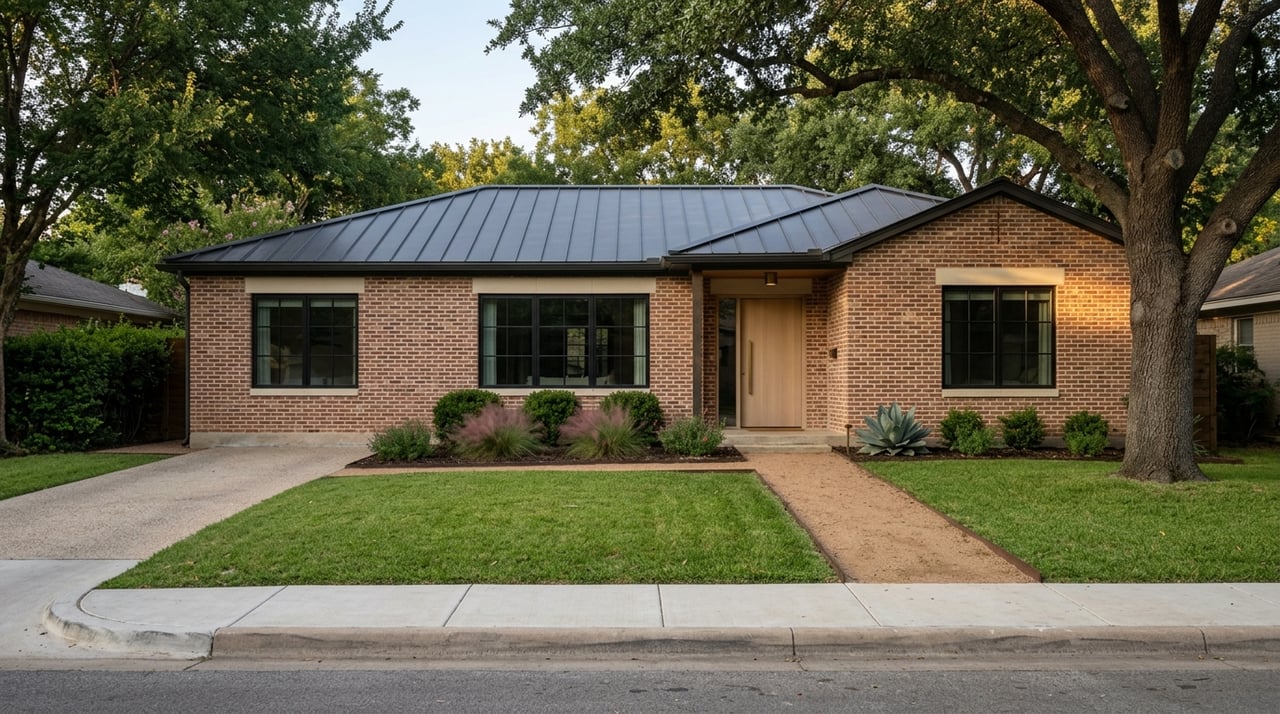
Wondering whether Central Austin or West Austin is the better fit for your next move? It is a common question, especially when both areas offer beautiful homes, established neighborhoods, and strong long-term appeal. If you are trying to balance commute, privacy, character, lot size, and budget, this guide will help you compare the tradeoffs with more clarity. Let’s dive in.
Central vs West Austin at a Glance
If you strip away the labels, the choice often comes down to this: Central Austin offers closer-in convenience and historic character, while West Austin offers more privacy, larger lots, and a lower-density feel.
For this comparison, Central Austin includes neighborhoods like Tarrytown, Pemberton Heights, and Bryker Woods. The City of Austin describes this broader planning area as a mature, stable, and diverse community with tree-lined streets, local schools, historic identity, and established amenities.
West Austin, in this context, is centered on Rollingwood and West Lake Hills. These communities are known for a more separated residential feel, with Rollingwood highlighting walkability and park access, and West Lake Hills emphasizing preservation of its rural environment and natural beauty.
Why Buyers Choose Central Austin
Central Austin tends to appeal to buyers who want to stay close to the heart of the city. If your daily routine includes downtown, UT Austin, the Capitol area, or major medical centers, that proximity can make a real difference in how you live day to day.
Pemberton Heights is a strong example of this appeal. The neighborhood association notes that it sits less than two miles from UT Austin, the Capitol complex, downtown, and the medical center, with access to Shoal Creek Trail, Pease Park, and the Lady Bird Lake trail system.
The housing stock in Central Austin also has a distinct personality. In neighborhoods like Pemberton Heights, Tarrytown, and Bryker Woods, you will often find a mix of older homes, updated residences, and selective infill rather than one uniform style.
That variety matters if you care about architecture and neighborhood character. Pemberton Heights, for example, includes cottages, spacious dwellings, and grand estates across 613 residences, which gives buyers a wide range of home styles within an established setting.
Central Austin lifestyle highlights
- Shorter access to downtown Austin, UT, the Capitol, and medical centers
- Established neighborhoods with mature trees and historic identity
- Proximity to parks and trail systems
- A mix of older homes, renovations, and some newer infill
- Strong appeal for buyers who prioritize convenience and character
Why Buyers Choose West Austin
West Austin usually attracts buyers who want more breathing room. If privacy, larger lots, and a more insulated residential feel are high on your list, this side of the market often delivers that more clearly.
Rollingwood sits on the west bank of Lady Bird Lake between Austin and West Lake Hills. Its city website describes it as a close-knit small town with walkable streets, park access, and a growing commercial district.
West Lake Hills has a different but related identity. The city says it was founded in 1953, has a population of 3,444, covers about four square miles, and remains committed to preserving its rural environment and natural beauty.
From a housing perspective, West Austin tends to lean more heavily toward custom homes and larger parcels. Current inventory examples in Rollingwood include homes on 0.48-acre and 1.17-acre lots, which reinforces the area's land-driven appeal.
West Austin lifestyle highlights
- Larger lots and more privacy
- Lower-density residential setting
- Small-city feel in places like Rollingwood
- Strong connection to open space and natural surroundings
- Good fit for buyers comfortable with higher price points
How Home Prices Compare
Price is one of the clearest dividing lines between these two areas. Based on recent Redfin snapshots, Central Austin and West Austin are operating in very different ranges.
In Central Austin, median sale price snapshots showed Tarrytown at $1.05M, Pemberton Heights at $1.23M, and Bryker Woods at $1.375M. In West Austin, the same type of snapshot showed West Lake Hills at $2.7M and Rollingwood at $4.77M.
These numbers are useful for direction, but they should be read carefully. The recent sales counts behind those snapshots were small, including just 7 homes sold in Tarrytown, 2 in Bryker Woods, 1 in Pemberton Heights, and 2 in Rollingwood during the reported trend windows.
That means your home search should go beyond headline numbers. In both Central and West Austin, pricing can shift quickly based on lot size, condition, renovation quality, street, and architectural style.
What You Get for the Money
In Central Austin, your budget often buys location and neighborhood fabric. You may trade some lot size for closeness to city landmarks, established streetscapes, and the kind of character that comes from older homes and long-established neighborhoods.
Tarrytown often sits in the middle of this conversation. It can offer a central location with historic character, remodeled homes, and proximity to downtown, the Capitol, UT, Lake Austin, and several parks and neighborhood amenities.
In West Austin, your budget often buys more land, more separation from the urban core, and a stronger custom-home feel. For many buyers, that trade is worth it, especially if privacy and lot quality matter more than shaving minutes off a commute.
A simple way to frame it is this: Central Austin often asks you to trade lot size for proximity and character, while West Austin asks you to trade some central convenience for privacy, land, and a more insulated setting.
Schools and Address-Based Research
For many buyers, schools are part of the neighborhood decision. It is important to remember that school assignments are address-specific and should always be verified for the property you are considering.
In Central Austin, neighborhood school patterns can vary by address. The Pemberton Heights neighborhood association lists Casis Elementary, O. Henry Middle School, and Austin High School as assigned campuses for that neighborhood.
Bryker Woods is also notable in this conversation. Austin ISD describes Bryker Woods Elementary as a central Austin neighborhood school and an IB Primary Years Programme campus, and the district lists a 2025 accountability rating of B for the school.
In West Austin, school discussions are often tied to Eanes ISD. The district says it serves about 7,700 students at 9 schools, uses address-based enrollment, and reports that its students consistently exceed state and national SAT and ACT averages.
Market Timing Matters Right Now
Your neighborhood decision should also be viewed through the lens of the current Austin market. Redfin reported in February 2026 that the typical Austin home that went under contract in December spent 106 days on market, home prices dropped 4% in December, and buyers had more bargaining power because there were more sellers than buyers.
In a slower market, short-term momentum matters less than lasting neighborhood fundamentals. That is one reason Central and West Austin continue to stand out. Both offer traits that are hard to recreate, just in different ways.
For Central Austin, that value story usually comes from close-in location, walkability, and historic identity. For West Austin, it is more often tied to lot quality, privacy, and a lower-density environment.
Which Austin Area Fits Your Priorities?
If you are still deciding, it can help to focus less on labels and more on how you want your daily life to feel. The right answer is usually the neighborhood that supports your routine, your budget, and the kind of home experience you want over the next several years.
Central Austin may fit you best if you want:
- Easier access to downtown, UT, the Capitol, or medical centers
- Established streets with historic character
- A neighborhood feel tied to parks, trails, and nearby amenities
- A mix of cottages, traditional homes, renovations, and selective infill
- More location value relative to West Austin price points
West Austin may fit you best if you want:
- Larger lots and stronger privacy
- A lower-density setting with a more tucked-away feel
- Custom-home inventory and land-driven value
- A small-town atmosphere in communities like Rollingwood
- Comfort with a higher entry point for many homes
Choosing between Central and West Austin is rarely about which area is better overall. It is about which set of tradeoffs works better for you. When you look at commute, architecture, outdoor access, lot size, and budget together, the path usually becomes much clearer.
If you want help narrowing the search, comparing streets, or evaluating resale potential between Central and West Austin neighborhoods, Katherine Beckworth offers thoughtful, relationship-first guidance tailored to how you want to live.
FAQs
What is the main difference between Central Austin and West Austin?
- Central Austin is generally more about proximity, established neighborhood character, and access to downtown amenities, while West Austin is more about privacy, larger lots, and a lower-density residential setting.
Which neighborhoods are included in this Central Austin comparison?
- This comparison focuses on Central Austin neighborhoods such as Tarrytown, Pemberton Heights, and Bryker Woods.
Which neighborhoods are included in this West Austin comparison?
- This comparison focuses on West Austin communities centered on Rollingwood and West Lake Hills.
How do Central Austin and West Austin home prices compare?
- Recent market snapshots showed Central Austin neighborhoods like Tarrytown, Pemberton Heights, and Bryker Woods ranging from about $1.05M to $1.375M, while West Lake Hills and Rollingwood were notably higher at about $2.7M and $4.77M.
Are school assignments the same across Central Austin and West Austin neighborhoods?
- No. School assignments are address-based and should be verified for each property, whether you are considering Central Austin or West Austin.
Is Central Austin or West Austin better in a slower market?
- In a slower market, both areas can hold appeal because of hard-to-replicate features. Central Austin often stands out for location and historic character, while West Austin often stands out for privacy, land, and lot quality.