If you are hoping to move up into Rollingwood, you are not just shopping for a bigger house. You are trying to time two major moves at once in one of West Austin’s tightest markets. That can feel exciting, complex, and a little high-stakes. The good news is that with the right plan, you can make smart decisions about timing, budget, and offer strategy before the right home appears. Let’s dive in.
Why Rollingwood stands out
Rollingwood is a very small city with a big reputation among move-up buyers. The city describes itself as a 0.8-square-mile, landlocked community on the west bank of Lady Bird Lake between West Lake Hills and Austin, with just over 1,500 residents. Its location near Zilker Park and Downtown Austin is a big part of the draw for buyers who want central access without living downtown.
The appeal is also about long-term livability. Rollingwood’s comprehensive plan says the city is fully built out, with residential land use dominated by single-family homes and only 1.7% of land use made up of vacant parcels. In practical terms, that means opportunities tend to be limited, and when the right fit comes up, buyers often need to be ready.
What move-up buyers find here
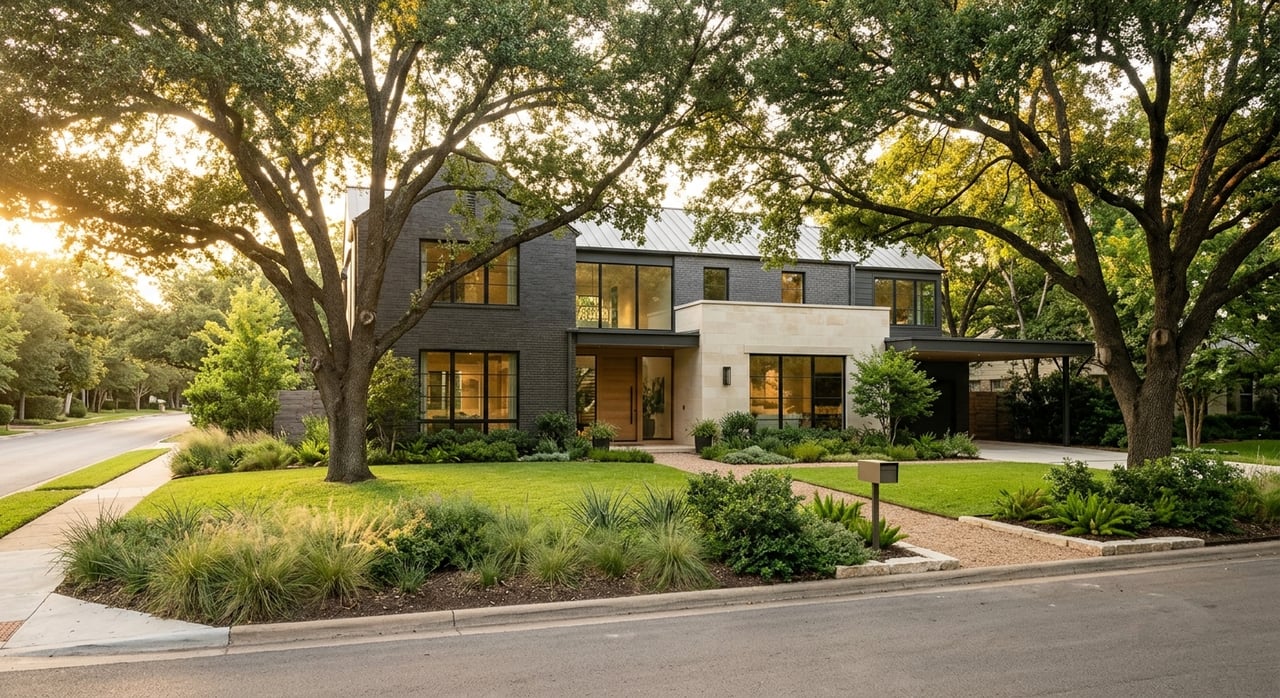
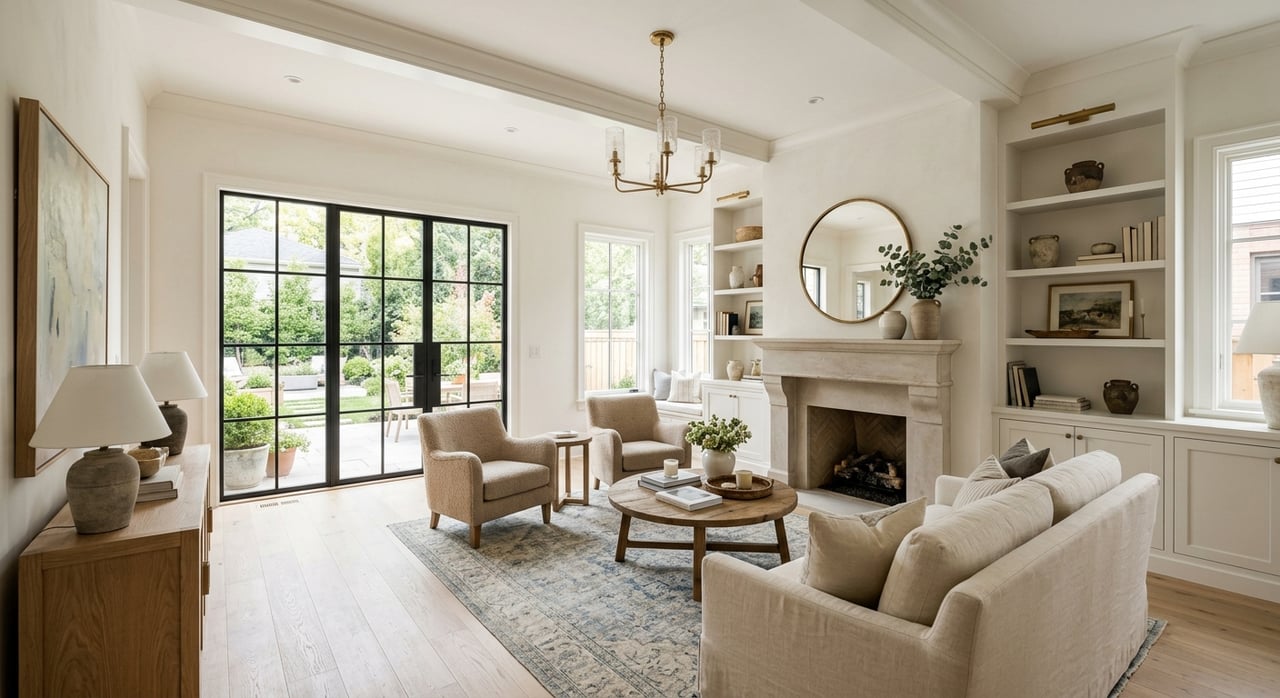
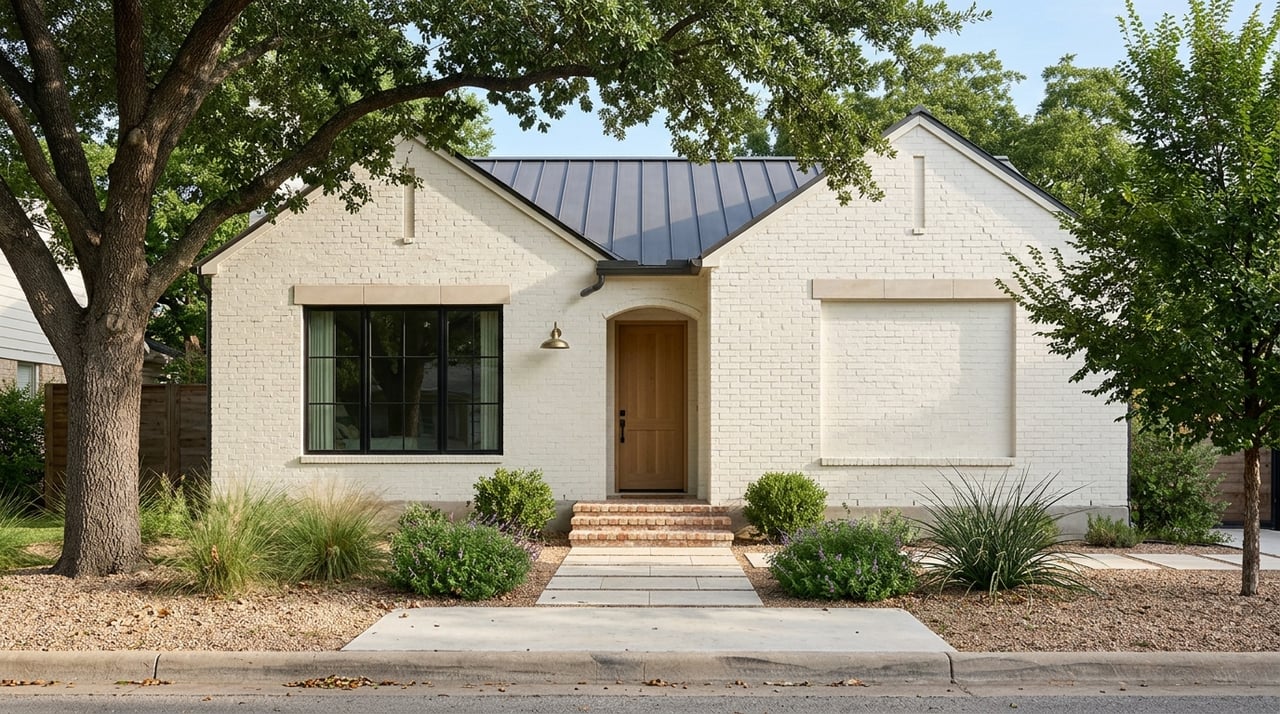
Rollingwood is not a one-note housing market. The area includes older homes that often retain their original character, along with newer and expanded homes that reflect more contemporary design. The city notes that sewer installation in 2002 made larger homes more feasible than in the earlier septic-era pattern.
That mix matters if you are moving up for space, design, or lot size. Recent listing snapshots showed everything from a 1956 ranch and a 1960 mid-century home on a 0.63-acre lot to a 1.1-acre property and a custom home with 6,662 square feet and an elevator. In other words, your version of a move-up purchase might mean a larger lot, a more updated home, a new build opportunity, or a better layout for the way you live now.
Inventory is thin by design
One of the first things to understand about Rollingwood is that low inventory is not just a temporary issue. It is tied to the city’s built-out character and small footprint. Recent portal snapshots showed only 6 to 8 homes for sale, which is a very small pool for buyers trying to be selective.
That does not mean you should rush into the wrong house. It does mean you should define your must-haves and nice-to-haves before you start writing offers. In a market this tight, clarity gives you an advantage.
Pricing takes a range-based mindset
Rollingwood pricing is high even by West Austin standards, but it is best understood as a range rather than one simple benchmark. Recent market snapshots showed a median sale price of $3.7 million over the last three months and a median listing price of $3,924,500. Because only a handful of homes may sell or be listed in a given month, those figures are best treated as directional rather than fixed.
That is especially important for move-up buyers comparing Rollingwood to nearby neighborhoods. Two homes can sit in the same city and have very different value drivers based on lot size, renovation quality, original condition, or future expansion potential. Looking at the specific property, not just the headline number, is where good decision-making starts.
Carrying costs deserve early attention
When you plan a move-up purchase, purchase price is only part of the picture. You also need to think about monthly carrying costs, including taxes, insurance, financing, and maintenance. In a market at this price point, those numbers can shift your comfort level quickly.
Rollingwood’s 2025 taxpayer impact statement said the average taxable homestead value was $2,481,809 and the proposed FY 2025–26 city tax rate was $0.202039 per $100 valuation. That implies an estimated city tax bill of about $5,014 for the average homestead, and that is only the city portion of property taxes. It is a useful reminder to build your budget around the full ownership picture, not just the mortgage payment.
Austin market conditions still matter
Even if your target is Rollingwood, the broader Austin market still affects your move. Texas Real Estate Research Center data showed Austin sales were up 8.5% year over year in March 2026, while active inventory was still 7.2% higher than a year earlier and prices were about 3% lower year over year. Statewide, sold homes averaged 82 days on market in March, active inventory sat at a five-month supply, and seller price cuts averaged 4.1% of list price.
Why does that matter? Because many move-up buyers are also sellers. If you are selling another Austin home to fund your Rollingwood purchase, you should expect a more disciplined sale environment than the peak frenzy of 2021 and 2022.
Financing needs to be ready early
In a small, high-demand market, financial readiness is one of the most important parts of your plan. A preapproval letter helps show a seller that you are likely to get financing, and sellers often want to see that before accepting an offer. It is one of the clearest ways to demonstrate that you are serious.
At the same time, preapproval is not the same as a guaranteed final loan. That is why it helps to review your full budget early, including down payment, reserves, and likely closing costs. Mortgage rates also remain part of the affordability math, with the 30-year fixed-rate mortgage averaging 6.52% as of June 11, 2026.
Closing costs can surprise buyers
Many buyers focus on down payment and monthly payment first. Those are important, but they are not the only cash needs in a move-up purchase. Closing costs can include origination fees, points, appraisal and title charges, prepaid interest, escrow deposits, inspections, and other purchase-related expenses.
That matters even more if you are coordinating a sale and a purchase at the same time. You want to know how much liquidity you need, what timing gaps might exist, and where you may want extra cushion. A clean financial picture gives you more flexibility when the right Rollingwood property hits the market.
Selling first or buying first
This is one of the biggest planning questions for move-up buyers. Selling first can create more certainty around your budget, but it may mean temporary housing if you do not line up your next purchase in time. Buying first can reduce the stress of moving twice, but it may require you to qualify for a second mortgage or carry two homes for a period.
Some buyers use a rent-back agreement after selling to create a transition window. Others include a home-sale contingency, although that can make an offer less attractive because it gives the seller less certainty. There is no one right answer for every household, but there is usually a best-fit strategy based on your finances, timing, and risk tolerance.
Offer strength matters in Rollingwood
Because inventory is so limited, a strong offer is about more than just price. It should be clear, clean, and easy for the seller to understand. Offer terms typically need to spell out price, contingencies, earnest money, and timelines.
For move-up buyers, this is where preparation pays off. If your financing is lined up, your current home strategy is clear, and your decision-makers are on the same page, you can act with more confidence. In a market with single-digit inventory, being ready often matters as much as being interested.
Think beyond today’s floor plan
Rollingwood is a strong fit for buyers who want to stay for a while, so it helps to think beyond your immediate needs. If you may want to add a pool, expand the house, build an accessory structure, or remodel later, those future plans should be part of your buying criteria now. A property that works today but limits your options later may not be the best move-up choice.
The city’s residential rules are important here. Rollingwood says many remodel and addition projects require permits, only one accessory building is allowed on a residential lot, and that structure cannot exceed 500 square feet or one story. The city also says short-term rentals are not permitted.
Resale value starts with fit
In Rollingwood, resale is tied closely to long-term fit. The city’s planning framework emphasizes low-density, single-family living, and buyers are often drawn to the area for exactly that reason. Features like lot usability, layout, condition, and future improvement potential may all play a role in how a home performs over time.
That is why move-up buying here is not just about winning a house. It is about choosing the right property for your next chapter while staying grounded in the realities of the neighborhood. A thoughtful plan can help you avoid overreaching on budget, compromising on priorities, or buying a home that does not support how you want to live.
If you are considering a move-up purchase in Rollingwood, a calm, strategic approach can make the process feel much more manageable. With local insight, strong communication, and thoughtful planning on both the buy and sell side, you can move with confidence. When you are ready to talk through timing, pricing, or neighborhood fit, connect with Katherine Beckworth.
FAQs
What makes Rollingwood appealing for move-up buyers?
- Rollingwood offers central access near Zilker Park and Downtown Austin, a small built-out setting, and a housing mix that includes older homes, updated properties, and larger newer builds.
How competitive is the Rollingwood housing market?
- Inventory is very limited, with recent snapshots showing only 6 to 8 homes for sale, so buyers often need to be prepared before the right property becomes available.
What price range should buyers expect in Rollingwood?
- Recent market snapshots showed a median sale price of $3.7 million and a median listing price of $3,924,500, but those numbers should be treated as directional because the number of sales and listings is small.
What school district serves homes in Rollingwood?
- Rollingwood is in Eanes ISD, and campus zoning should be verified by address using the district’s boundary map.
What should buyers know about future remodeling in Rollingwood?
- Many remodels and additions require permits, only one accessory building is allowed on a residential lot, and that structure cannot exceed 500 square feet or one story.
Should you sell your current Austin home before buying in Rollingwood?
- It depends on your finances and timing, since selling first can create budget certainty while buying first may help with moving logistics but can require carrying two homes or qualifying for additional financing.