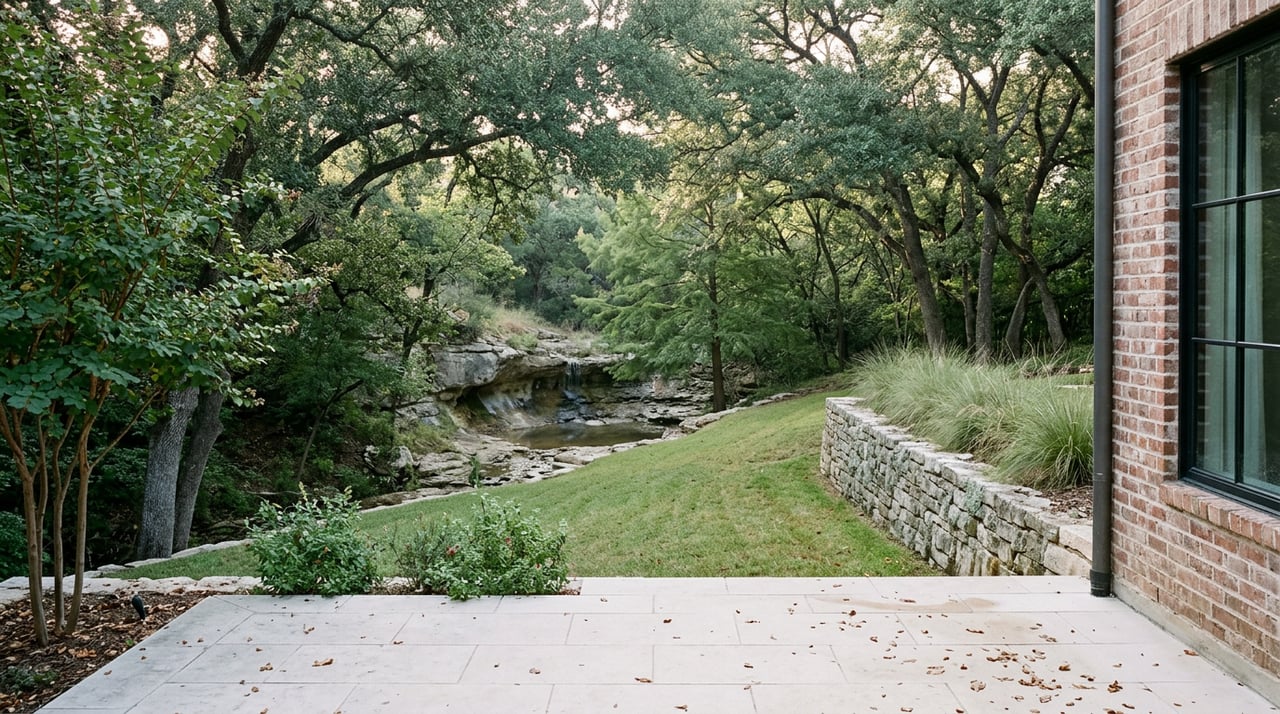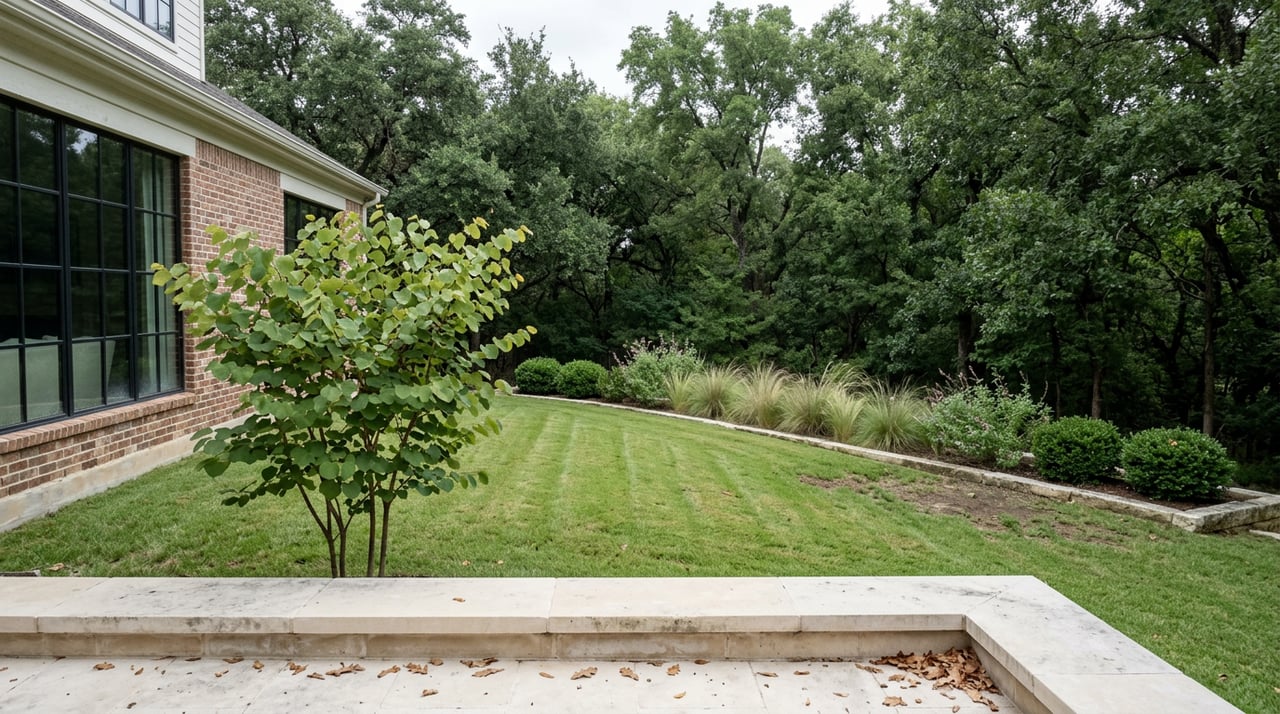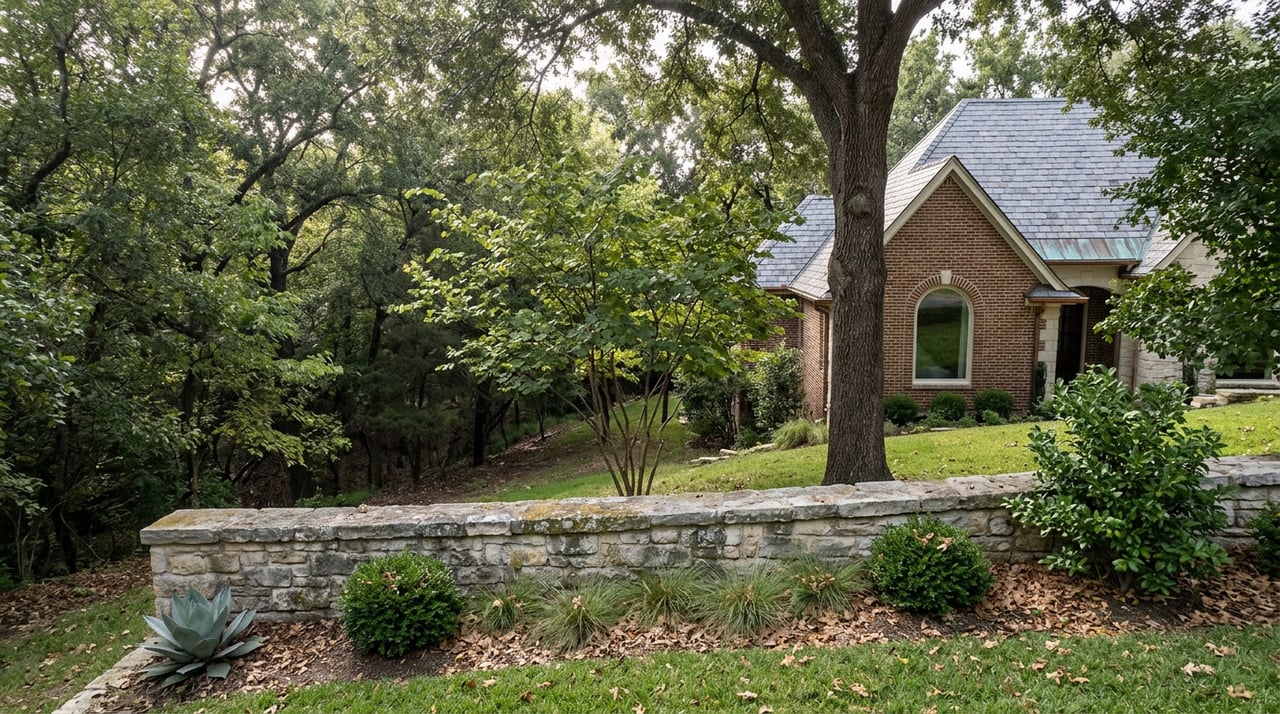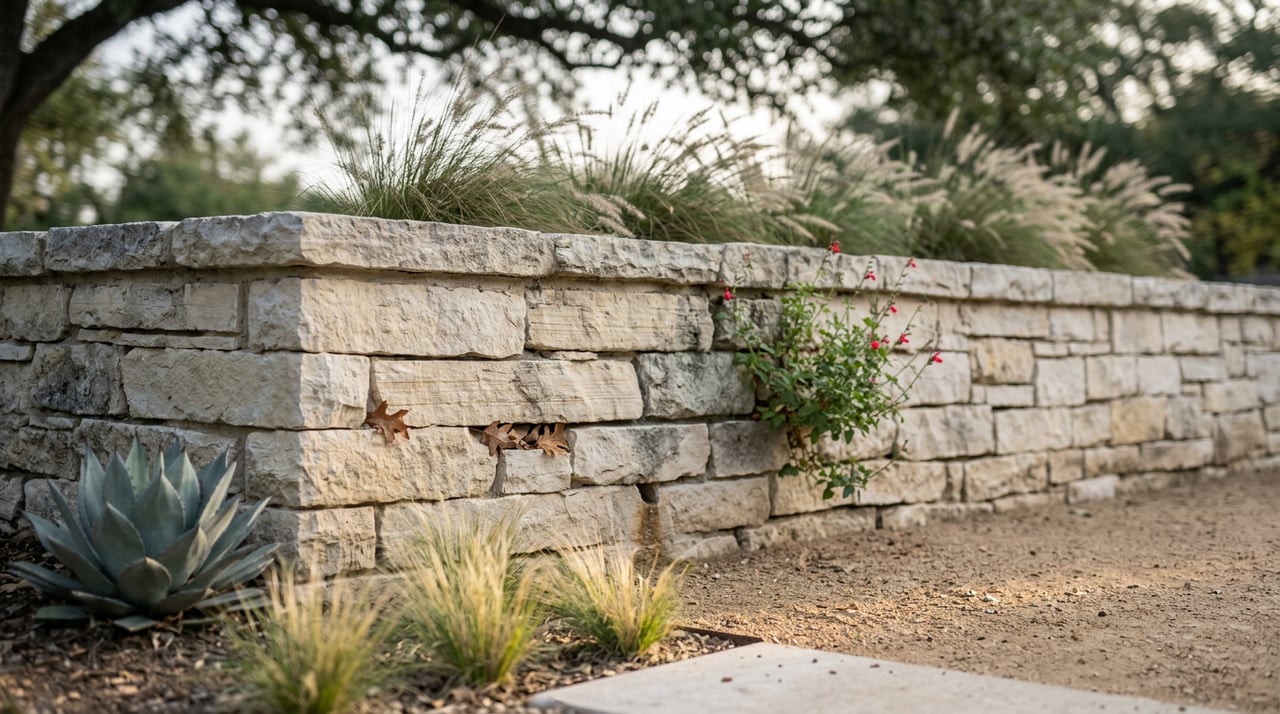
From natural materials to climate-resilient architecture, the design trends shaping 2026 reflect a shift toward sensitive, responsive living.
Looking back, 2025 will likely be remembered as a year of unease and acceleration. Environmental challenges became harder to ignore, cultural and political divisions deepened, and technology became ever more ingrained in our everyday lives.
Against this backdrop of a world in flux, the design trends emerging for 2026 feel refreshingly grounded. There is a clear shift toward homes that prioritize natural materials, crafted finishes and a sense of connection to landscape and how we live now. What unites each of the trends explored here is a growing desire for a more human response to this changing world.
Natural Materials
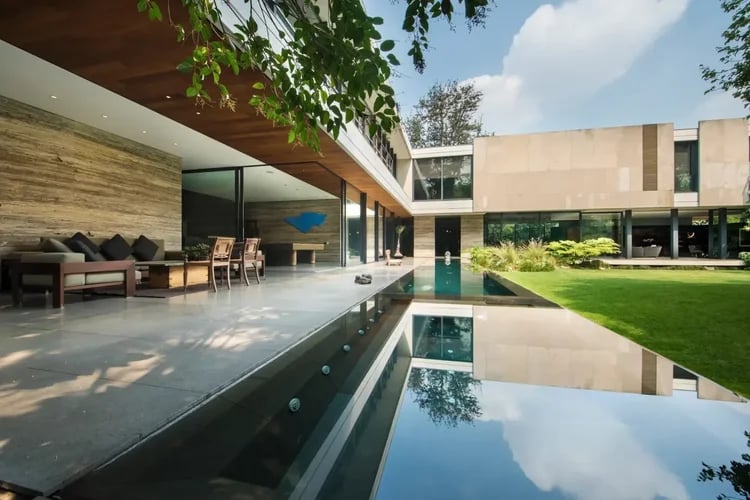
One of the most dominant design shifts heading into 2026 is a renewed emphasis on natural materials. Stone and timber are being used to create richly tactile residences that feel connected to the land, and as they age, these materials only become more beautiful. AA315, in Mexico City’s Lomas de Chapultepec, is an impressive example. Designed by Bernardi + Peschard with interiors by Gloria Cortina, the residence is defined by a palette of stone, timber and metal. Think Swiss larch and Macassar ebony joinery and cladding, expansive marble surfaces, and a sculptural staircase crafted by local woodworker Simón Hamui. “Natural materials are an extension of ourselves—a reminder of where we came from,” says Cortina. “Favor them always.”
Craftsmanship
There is also a renewed appreciation for craftsmanship, particularly bespoke, place-specific work that reflects local skills and traditions. In a world where mass production has become the default, celebrating the human hand can lend homes a depth and individuality that cannot be replicated.
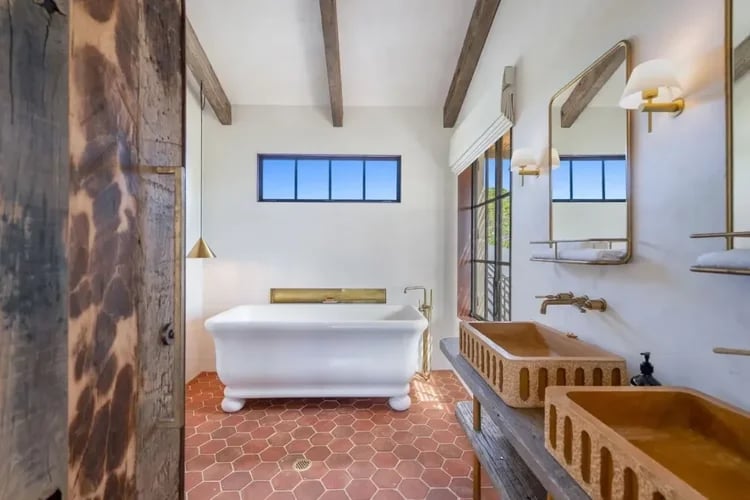
Lo Scoglio, perched on a crest in Coopers Shoot near Byron Bay, Australia, exemplifies this approach. Conceived as a contemporary reinterpretation of a Sicilian masseria (rural estate), the main villa and guest house are united in their sensitive use of craft—from hand-chipped limestone walls, century-old hardwood floor and terracotta finishes to brass details sourced through Tigmi Trading. In a contemporary take on crafted luxury, the estate blends these artisanal details with modern systems, including solar power and rainwater harvesting.
Future-Proofing
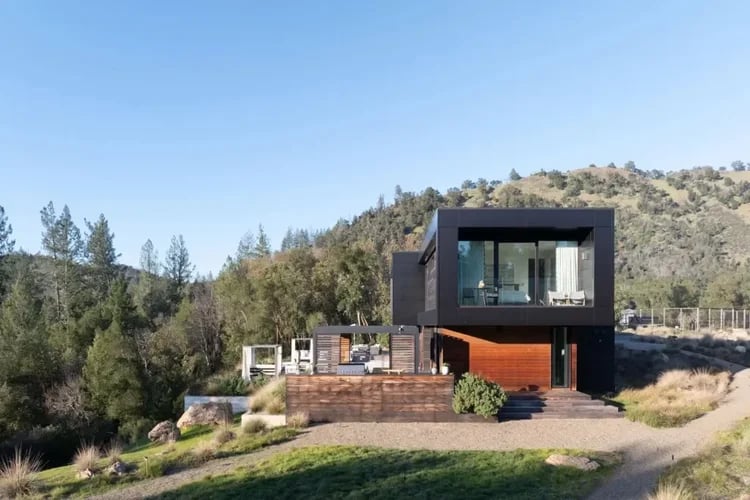
As climate volatility becomes an unavoidable reality, future-proofing has emerged as a core design consideration. In 2026, this increasingly means homes that incorporate resilient materials and construction techniques capable of withstanding environmental extremes. In some cases, that means looking to the past for solutions.
At a modern sanctuary in Calistoga, California, designed by Signum Architecture, both shou sugi ban—an ancient Japanese timber-charring technique—and stained cedar have been used to create an exterior cladding that offers natural resistance to fire and insects. Combined with concrete and expansive glazing, the palette is a sophisticated balance of durability and material warmth. “This home occupies sensitive terrain that called for a design solution that is both sustainable and fire resistant,” says Jarrod Denton, partner at Signum. “Our approach was holistic.”
Statement Glazing
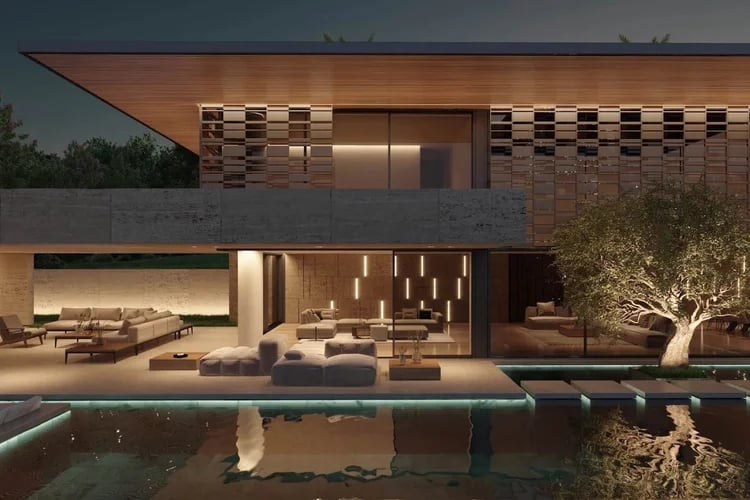
As we move into 2026, glazing is taking on a more expressive role, moving beyond transparency to become a defining architectural feature used to frame landscapes, heighten spatial drama, and reinforce the relationship between inside and out.
Orama, a private residence in Vouliagmeni on the Athens Riviera in Greece, is a dazzling showcase of glazing ingenuity. Designed by ISV Architects, the four-level home is wrapped in expansive glass facades that capture sweeping views of the Aegean. Inside, tall ceilings and full-height glass walls flood the interiors with light, making the coastal setting as much a design feature as the finishes and furniture.
Energy Passivity
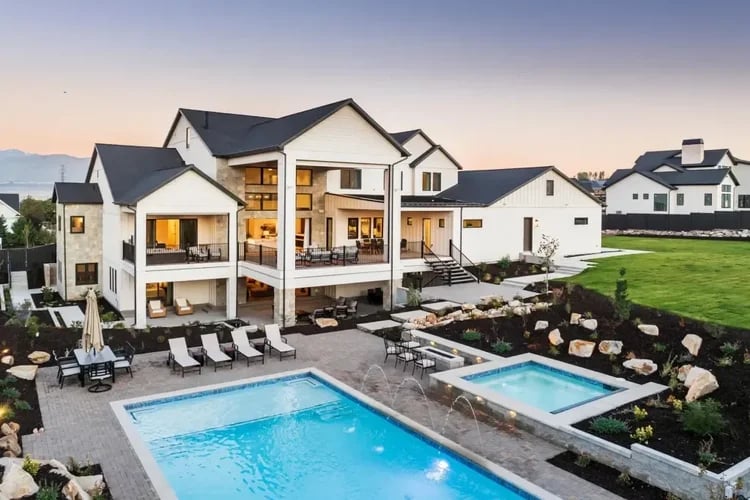
Sustainability standards continue to rise, with energy passivity becoming the benchmark. Passive house principles are now being applied to large-scale luxury homes.
A 15,000-square-foot home in Bluffdale, Utah built by Cross Construction demonstrates this shift. Powered by geothermal and solar energy, it features triple-pane windows and continuous filtered fresh air systems.
“Passive homes allow luxury to perform at a higher level,” says Alex Cross.
Rooted in the Local
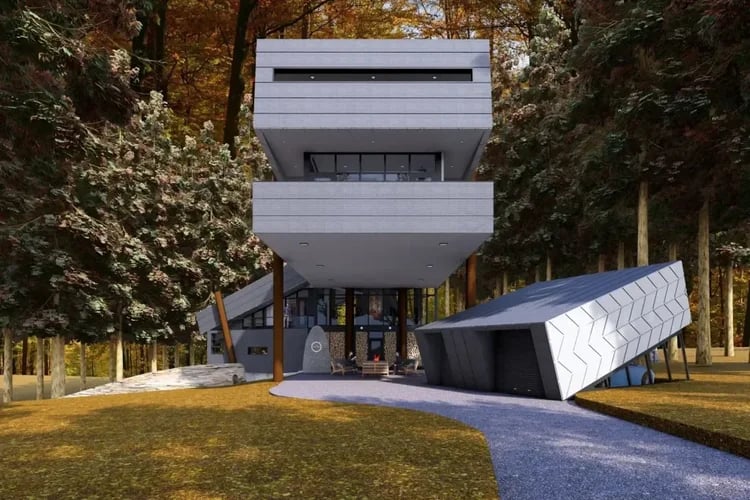
Homes in 2026 are increasingly designed to reflect their surroundings, embracing site-specific characteristics and moving away from generic architectural approaches.
A forthcoming residence in New York’s Hudson Valley by Kushner Studios—titled Falling Rocks—draws inspiration from the area’s glacial landscape, creating a home that is deeply connected to its environment.
“Every foot of land is unique—sacred even—and worthy of consideration,” says Adam Kushner.
Final Thoughts
The defining design trends of 2026 reflect a broader cultural shift—toward authenticity, sustainability, and meaningful living. These homes are not just built for today, but thoughtfully designed for the future.
This article was originally published by Kuper Sotheby’s International Realty and is shared here for informational purposes.