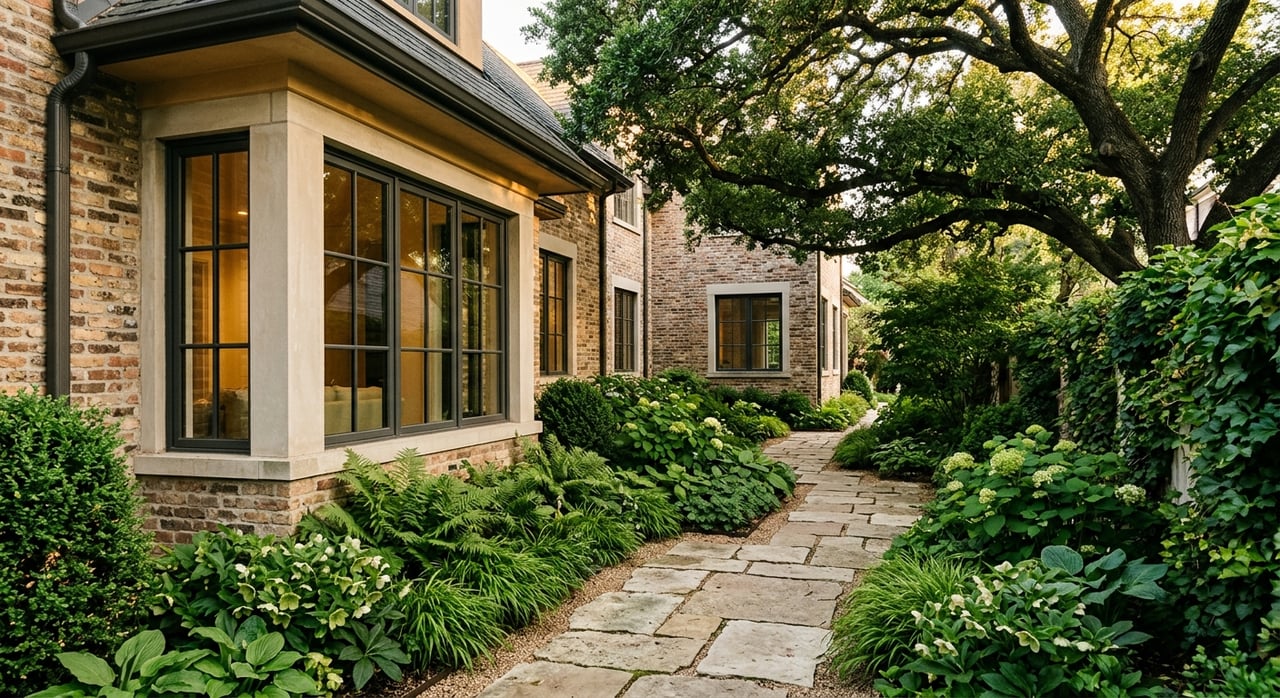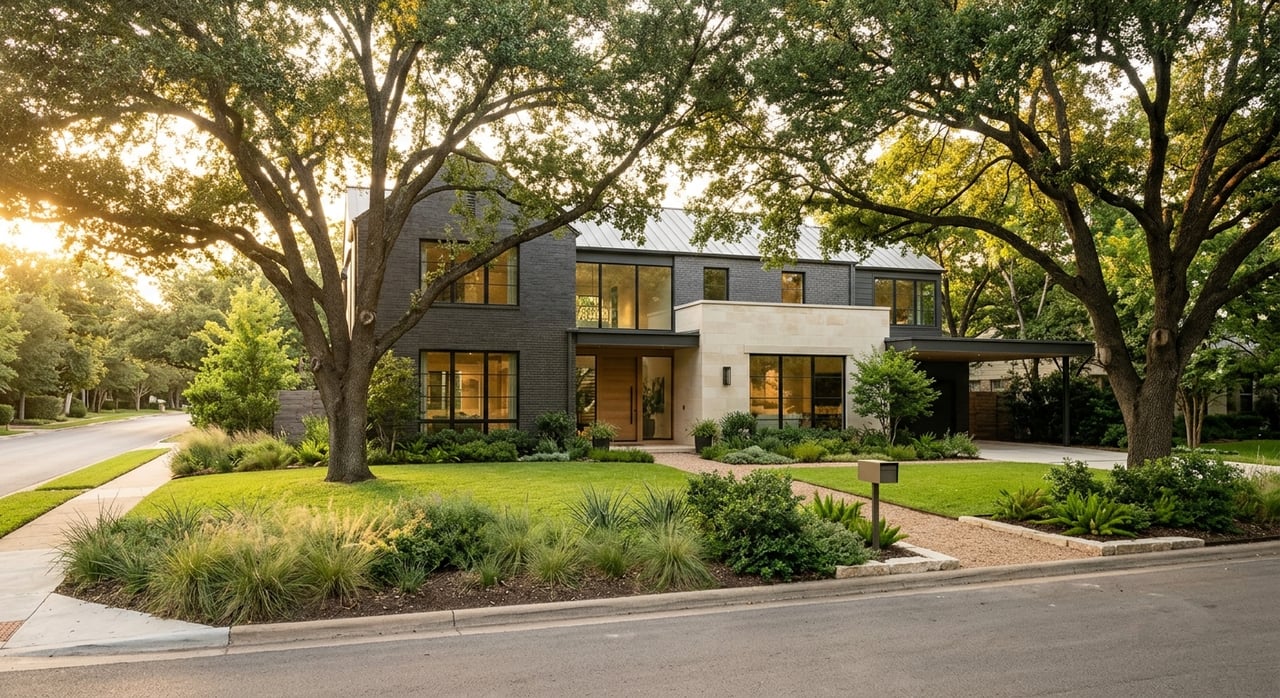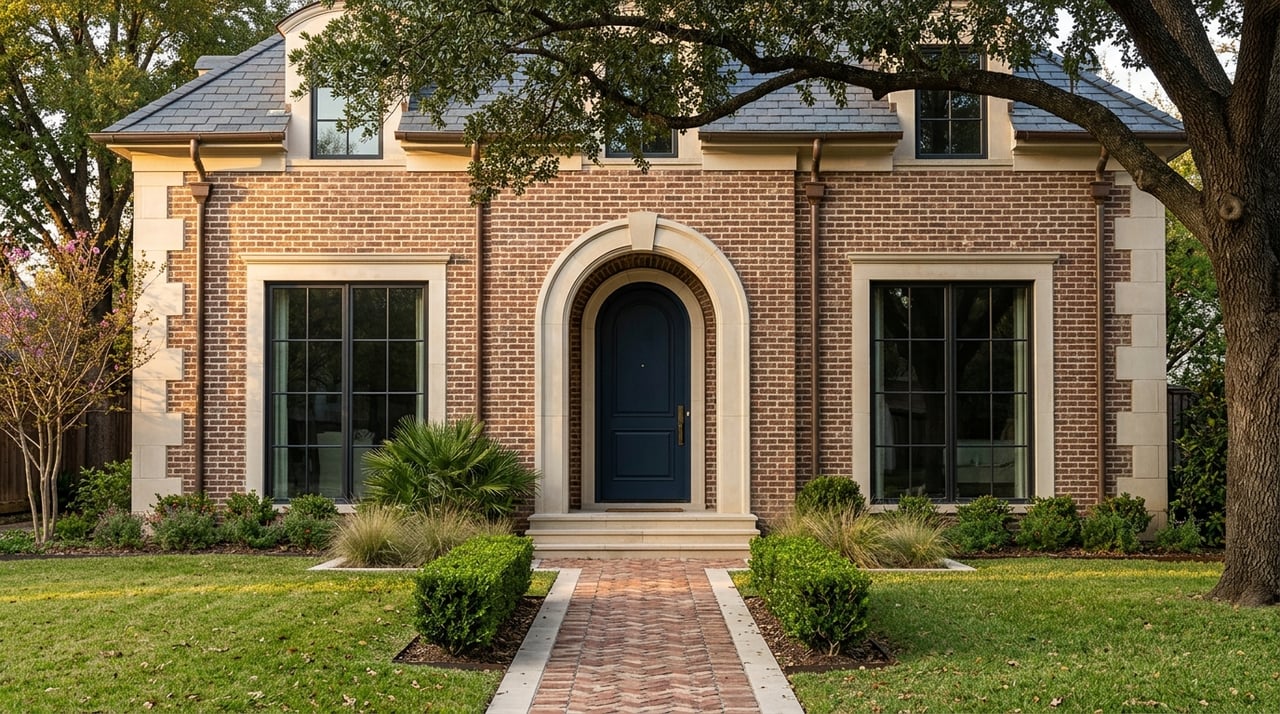
If you have ever driven through Pemberton Heights and wondered why the streets feel so distinct, the answer is not just the mature trees or the generous setbacks. It is the architecture. In this part of West Austin, house styles shape the entire experience of the street, and understanding them can help you buy or sell with more confidence. Let’s dive in.
Why architecture matters here
Pemberton Heights is part of the Old West Austin National Register Historic District, which the City of Austin says was accepted in 2003 and spans roughly 1,600 homes and 2,500 buildings. Within that broader district, the Pemberton Heights neighborhood association describes a 613-home area known for large trees, substantial setbacks, and a mix of cottages, dwellings, and grand estates.
That context matters because buyers are not only comparing square footage or finishes here. You are also evaluating how a home sits on its lot, how its front elevation reads from the street, and how well it fits the historic rhythm around it. In a neighborhood with such a legible historic streetscape, architectural style is part of daily livability and long-term appeal.
Pemberton Heights grew with intention
Pemberton Heights developed mainly in the 1920s and 1930s as one of Austin’s early automobile suburbs. A City of Austin landmark report describes it as a 1920s suburb with an exclusively residential character and City Beautiful-era lot planning.
In practical terms, that means the neighborhood was shaped to feel composed and cohesive from the start. Deep front yards, visible porches, layered rooflines, and well-spaced homes all work together. When you tour a home here, you are seeing not just one property, but a carefully formed streetscape.
Colonial Revival feels balanced and timeless
Colonial Revival is one of the defining looks in Pemberton Heights. The neighborhood association includes it among the area’s main styles, and City of Austin landmark material describes classic examples with central halls, symmetrical facades, side-gabled roofs, and restrained classical details.
These homes often feel formal in the best sense of the word. They tend to project balance, order, and a strong front entry rather than heavy ornament. If you are drawn to homes that feel classic and composed from the curb, this is one of the neighborhood’s most recognizable style families.
What buyers often notice
Colonial Revival homes usually stand out for their symmetry. You may see evenly placed windows, a centered front door, columns or pilasters, and a facade that feels calm and organized.
Inside, those same design cues can support practical living. The layout often feels easy to understand and adaptable over time, which is one reason this style continues to appeal to buyers looking for both character and function.
Tudor Revival brings storybook character
Tudor Revival is another signature style in Pemberton Heights, and the neighborhood association lists it prominently in its architectural mix. National Park Service style descriptions note typical features such as irregular forms, brick or stucco exteriors, exposed framing or half-timbering, small-paned casement windows, and steep rooflines.
In Pemberton Heights, Tudor homes often bring some of the strongest historic charm on the block. They can feel picturesque, textured, and visually layered, especially when original masonry, roof shapes, and trim remain intact.
What Tudor style can signal
For many buyers, Tudor homes signal atmosphere. The style often feels more romantic and less straightforward than Colonial Revival, with details that create instant curb appeal.
That said, character often comes with complexity. Steep roofs, trim details, and moisture-prone areas deserve careful attention, especially if you value both authenticity and long-term upkeep.
Spanish and Monterey feel relaxed
Spanish-influenced homes are part of the neighborhood’s published style mix, and local landmark examples include Monterey houses that blend Colonial Revival and Spanish Colonial Revival elements. According to National Park Service descriptions, these homes often feature stucco surfaces, arched openings, and red clay tile roofs or similarly low, warm roof profiles.
These houses can feel especially inviting in Austin light. Compared with more formal revival styles, they often read as softer and more relaxed from the street while still carrying strong architectural presence.
What to watch on these homes
Stucco, drainage, and roof edges are worth a close look. Because these details do so much to define the style, the quality of repair work matters.
When updates are done well, these homes can feel both historic and easygoing. When exterior work is inconsistent, the house may lose some of the visual clarity that makes the style appealing in the first place.
Italian Renaissance Revival reads grand
Italian Renaissance Revival adds one of the more estate-like expressions in Pemberton Heights. The City of Austin describes the Heierman-Hornaday House at 2412 Harris Boulevard as a stuccoed Italian Renaissance Revival home with a low hipped roof, deep eaves, arched openings, a classical portico, and a porte-cochere.
This style often carries a more imposing presence. Symmetry, elegant proportions, and formal siting can make these homes feel villa-like and substantial, especially on prominent lots.
Why this style stands out
If Colonial Revival feels measured, Italian Renaissance Revival often feels more expansive and ceremonious. These homes tend to make a strong visual statement without relying on excessive decoration.
For buyers and sellers alike, details matter here. Roof coverings, masonry, balconies, and porte-cochere elements all contribute to the home’s identity and should be evaluated with care.
Craftsman and Prairie feel warm
Craftsman and Prairie School homes round out the neighborhood’s major style mix. The neighborhood association includes both, and National Park Service descriptions note that Craftsman homes often feature low-pitched roofs, broad eaves, exposed rafters, and substantial built-ins, while Prairie School homes emphasize horizontal lines, low profiles, and integration with the site.
In Pemberton Heights, these homes often feel less formal than the revival houses. They can offer a more handcrafted, grounded quality that appeals to buyers who want texture, warmth, and a more relaxed visual flow.
Why these homes appeal
Craftsman and Prairie homes often connect strongly to the lot and landscape. Their lower profiles and broader rooflines can make them feel especially comfortable within Pemberton Heights’ tree-lined setting.
They also rely heavily on details that are expensive to recreate well. Eaves, porch elements, and original woodwork are not just decorative. They are central to the home’s architectural identity.
A few outliers expand the mix
Pemberton Heights is not a one-style neighborhood. The neighborhood association also highlights notable outliers such as Pemberton Castle, described as Gothic Revival, the Bohn House as Art Moderne, and the Splitrock House as a vernacular center-passage dwelling.
These exceptions are part of what makes the neighborhood feel layered rather than repetitive. Even when one block leans traditional, you can still find homes that reflect different eras and design ideas.
What style means when touring homes
In Pemberton Heights, the question is usually not which style is best. It is whether the home still preserves the features that make that style work. A strong house here often keeps its original massing, roof shape, window pattern, and porch proportions, even if kitchens and baths have been thoughtfully updated.
That is often what separates a renovation that feels seamless from one that feels out of place. In a historic setting, new work tends to feel better when it supports the original form rather than competes with it.
A simple touring checklist
When you walk through homes in Pemberton Heights, it helps to focus on a few visible cues:
- Original windows or well-matched replacements
- Porch, columns, arches, or trim that still read correctly
- Masonry or stucco repairs that look clean and consistent
- Additions placed to the rear and kept subordinate to the main house
- Rooflines and massing that remain true to the original design
These details can tell you a lot about renovation quality before you ever get into finishes or staging.
Historic review can affect future plans
If you are thinking ahead to renovations, the City of Austin’s historic-review rules are important. The city says that historic landmarks, contributing properties in local historic districts, and contributing properties in National Register historic districts must go through historic review for exterior alterations or additions, permanent site work, sign installation, and stand-alone new construction.
Routine maintenance and in-kind repairs do not require review. For buyers, that means it is smart to understand a home’s designation status and check the city’s standards before planning exterior changes.
What sellers should keep in mind
For sellers in Pemberton Heights, restraint usually works in your favor. The neighborhood’s character is tied to original materials, mature landscaping, historically scaled homes, and exterior changes that remain compatible with the existing architecture.
That means thoughtful preparation often matters more than overcorrecting. When you preserve the cues that make a house feel authentic and document updates clearly, you are speaking the same visual language buyers already value here.
Pemberton Heights is one of those rare Austin neighborhoods where architecture is not background detail. It is central to how the neighborhood lives, feels, and holds its identity over time. If you are buying or selling here, a clear understanding of style can help you see value more accurately and make smarter decisions with confidence.
If you are considering a move in Pemberton Heights or another Central Austin neighborhood, Katherine Beckworth offers polished, local guidance with a thoughtful eye for architecture, renovation quality, and long-term value.
FAQs
What architectural styles are most common in Pemberton Heights?
- Pemberton Heights is known for Tudor Revival, Colonial Revival, Classical Revival, Spanish Colonial Revival, Monterey, Italian Renaissance Revival, Craftsman, and Prairie School homes.
What makes Colonial Revival homes in Pemberton Heights distinctive?
- Colonial Revival homes in Pemberton Heights often feature symmetrical facades, centered entries, side-gabled roofs, and restrained classical details that create a balanced, timeless look.
What should buyers look for when touring Tudor homes in Pemberton Heights?
- When touring Tudor homes in Pemberton Heights, pay close attention to steep roofs, trim condition, masonry, half-timbering, and other exterior details that shape both character and maintenance needs.
How do Spanish-style homes in Pemberton Heights differ from other homes?
- Spanish-influenced homes in Pemberton Heights often stand out for stucco exteriors, arched openings, and warm roof profiles, which can make them feel more relaxed than more formal revival styles.
Do Pemberton Heights homes face historic review rules?
- Some Pemberton Heights properties may be subject to City of Austin historic review for exterior alterations, additions, certain site work, signage, or stand-alone new construction, depending on designation status.
What helps a renovation feel appropriate in Pemberton Heights?
- In Pemberton Heights, renovations usually feel most successful when they preserve the home’s original massing, roof shape, window pattern, and porch proportions, while keeping additions compatible and secondary to the main house.