If you want a close-in Austin neighborhood with history, charm, and easy access to downtown, Clarksville is likely already on your radar. It draws buyers who want more than just a central address. You get a neighborhood with real identity, a mix of housing styles, and strong access to parks and daily conveniences. This guide will help you understand what makes Clarksville distinct, what to watch for as a buyer, and whether it fits your goals. Let’s dive in.
Where Clarksville Sits in Austin
Clarksville is a compact historic neighborhood in West Austin within the broader Old West Austin area. The City of Austin places Old West Austin west of Lamar Boulevard, east of MoPac, north of Lady Bird Lake, and south of Enfield Road. The Clarksville neighborhood organization defines the historic district more narrowly, roughly between West Lynn, MoPac, West 12th or Waterston, and West 10th.
That smaller footprint matters when you are home shopping. Some listings may be described as Clarksville because they are nearby, while others sit within the neighborhood’s historic core. If location precision matters to you, it helps to look closely at where a home falls within the area.
Clarksville also carries deep historical significance. Established in 1871 by Charles Clark, it is one of Austin’s oldest neighborhoods and has important roots as a historically Black freedom community. For many buyers, that history is part of what gives the neighborhood its lasting character and sense of place.
Why Buyers Are Drawn to Clarksville
One of Clarksville’s biggest strengths is its balance. You are close to downtown Austin, but the neighborhood itself is often described as quieter, leafy, and residential, especially away from the busier edges near commercial corridors.
The area is also known for a woodsy, hilly feel that can seem surprisingly tucked away for such a central location. That mix of convenience and atmosphere is hard to find. If you want to be near the heart of the city without feeling like you live in the middle of constant activity, Clarksville often stands out.
For many buyers, the appeal comes down to three things:
- A central Austin location
- Historic character and neighborhood identity
- Easy access to parks, trails, and nearby local businesses
Parks, Trails, and Daily Lifestyle
Clarksville offers strong outdoor access for a central neighborhood. Shoal Creek Trail runs as a major north-south connection from Lady Bird Lake through Central Austin, giving residents an easy link to one of the city’s oldest trail systems.
Pease Park is another major lifestyle draw. It is Austin’s first public park and includes 84 acres of green space, shaded trails, and historic character. If you like the idea of being able to enjoy outdoor space without a long drive, this is a meaningful advantage.
The Clarksville Community Development Corporation also notes that the neighborhood is within walking distance of four city parks. Together, those parks include features like splash pads, pools, playscapes, courts, and picnic areas. That adds to the neighborhood’s everyday livability, especially for buyers who value walkability and outdoor options.
What the Housing Stock Looks Like
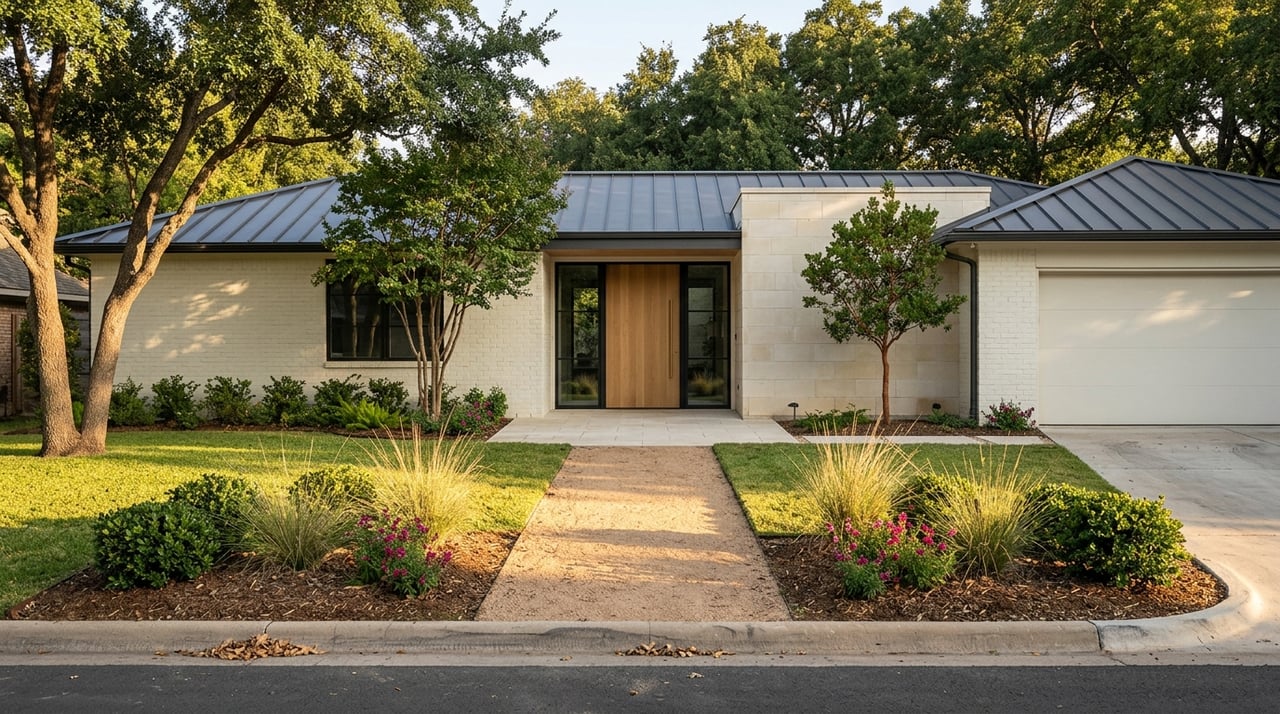
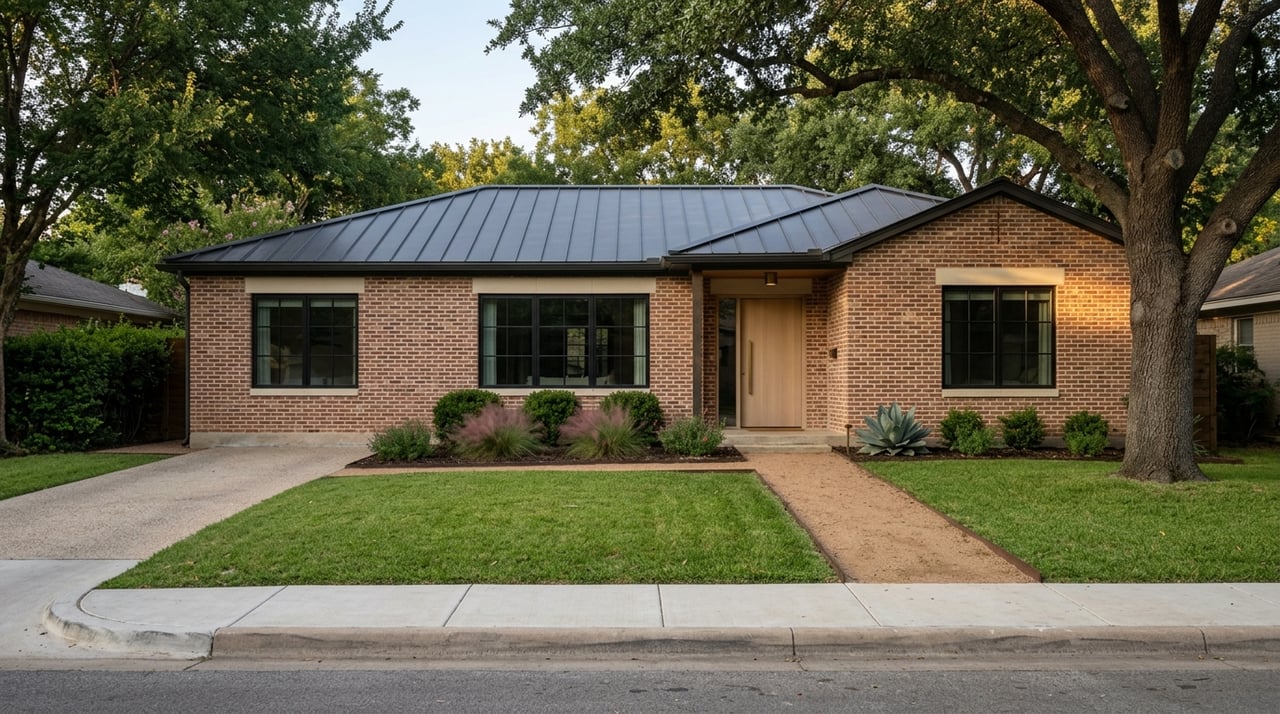
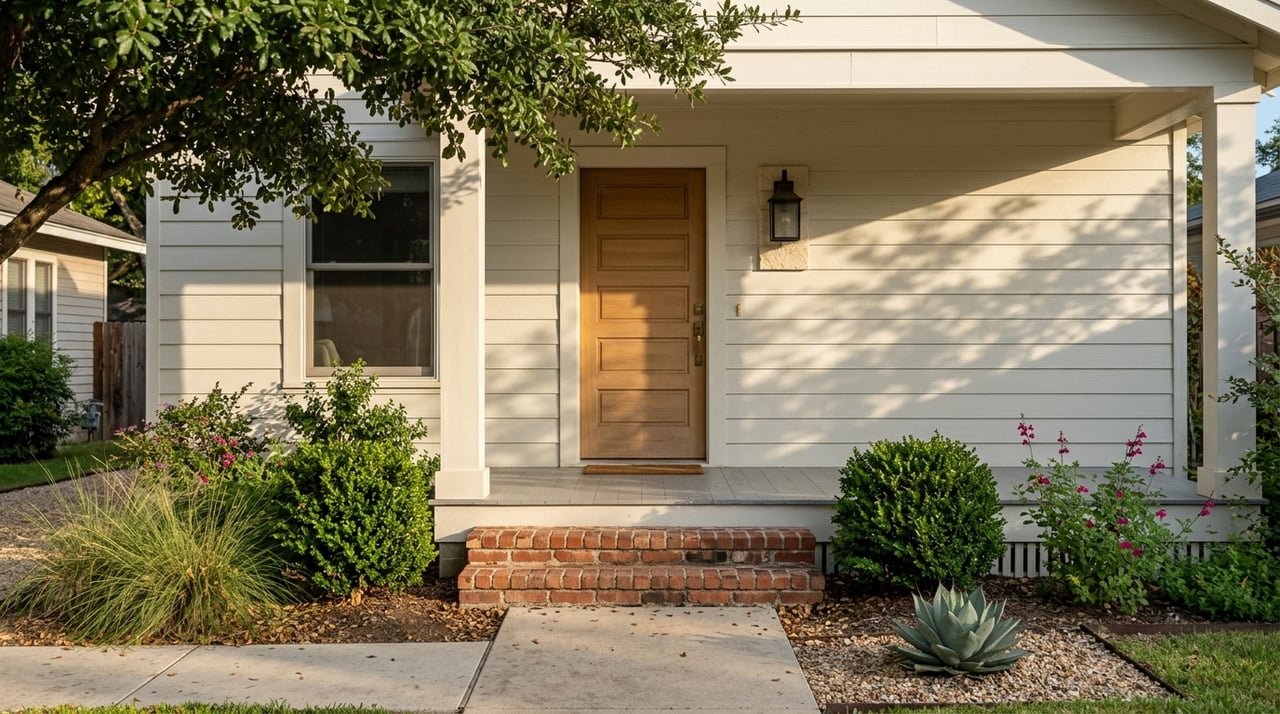
Clarksville does not offer a one-style-fits-all housing market. Instead, you will find a layered mix of property types, which is part of the neighborhood’s appeal.
Homes in and around Clarksville can include:
- Historic bungalows
- Cottages
- Victorian-era homes
- Renovated older residences
- Modern infill homes
- Condos
- Townhomes
- Apartments
- Properties with accessory dwelling units, or ADUs
This variety gives buyers more than one entry point into the neighborhood. You may be drawn to a preserved cottage with architectural detail, or you may prefer a newer townhome with a more lock-and-leave feel. Clarksville can serve both preferences, though inventory is often limited and highly specific.
Historic Character Comes With Extra Considerations
If you love older homes, Clarksville can be especially appealing. At the same time, buying in a neighborhood with historic significance can require a little more homework.
The neighborhood organization actively supports preservation of traditional character. It opposes demolition of contributing homes and encourages remodeling or enlargement options that keep historic properties contributing to the district.
From a practical buyer standpoint, that means renovation plans should never be treated casually. According to the City of Austin Historic Preservation Office, if a property is a contributing property in a historic district or National Register district, exterior changes, additions, permanent site work, signs, and stand-alone new construction require a historic review application. National Register districts use the city’s Historic Design Standards.
What that means for you
If you are considering a home in Clarksville and already thinking about a large addition, major exterior redesign, or redevelopment, you will want to understand review requirements early. A home may be beautiful and well-located, but your long-term plans for it may be more limited than they would be in a neighborhood without the same preservation context.
This does not make Clarksville a poor fit. It simply means the neighborhood tends to reward buyers who appreciate character and are comfortable with a more thoughtful, preservation-aware ownership experience.
Landmarks That Shape the Neighborhood
Clarksville’s identity is tied not just to its homes, but also to its historic landmarks. The Hezikiah Haskell House is recognized by the City of Austin as the oldest registered structure in Clarksville and is both a State of Texas and City of Austin Historic Landmark.
Sweet Home Missionary Baptist Church is another long-standing neighborhood landmark. The Clarksville Community Development Corporation describes it as a community cornerstone in the heart of the neighborhood. These places help explain why Clarksville feels distinct from many other close-in Austin areas.
Clarksville Home Prices in Context
Clarksville typically sits in the upper tier of the Austin market. Redfin reported a median sale price of $760,000 in Clarksville in February 2026, compared with Austin’s citywide median sale price of $530,000 in March 2026. Based on those figures, Clarksville was about 43% above the citywide median.
That said, small neighborhoods can produce thin or volatile monthly stats. Realtor.com reported that Clarksville-specific neighborhood metrics were not currently available on its neighborhood page, even while Austin-wide market data was available. For buyers, the takeaway is simple: use neighborhood medians carefully and avoid relying on one month of data as the full story.
Why pricing can vary so much
Clarksville’s housing mix helps explain price swings. A renovated historic cottage, a modern three-level townhome, and a property with an income-producing ADU can all exist within the same neighborhood conversation, but they offer very different value propositions.
In a neighborhood like this, pricing is often more nuanced than a headline median suggests. Lot position, historic status, renovation quality, architecture, and walkable location can all affect value in a meaningful way.
Who Clarksville Fits Best
Clarksville tends to be a strong fit for buyers who want a close-in Austin lifestyle with character. It often appeals to professionals, move-up buyers, and design-conscious shoppers who value architecture, convenience, and neighborhood identity.
You may feel especially aligned with Clarksville if you want:
- A central address with quick access to downtown
- A neighborhood with strong historic character
- Proximity to parks, trails, and local businesses
- A home with architectural personality
- A setting that feels established rather than generic
Clarksville may be less straightforward if you want a large-lot suburban layout or a property you can completely remake without added review. The neighborhood’s historic context can be a real advantage, but it is best for buyers who see preservation and character as part of the value.
What to Look For When Touring Homes
As you tour homes in Clarksville, it helps to look beyond finishes alone. In a neighborhood with mixed housing stock and preservation considerations, the details matter.
Pay attention to the home’s location within the neighborhood, how updated systems and spaces feel, and whether the property’s architecture matches your lifestyle. If you are considering changes, think carefully about whether the home supports those plans within the city’s review framework.
A few smart questions to keep in mind include:
- Is this home within the historic district or a contributing property?
- Have previous renovations preserved the home’s character thoughtfully?
- Does the layout fit how you actually live today?
- Is the maintenance profile right for your schedule and budget?
- If there is an ADU or newer addition, how does it affect function and value?
The Bottom Line on Clarksville
Clarksville offers something many buyers are searching for but do not always find: a neighborhood that feels central, established, and deeply rooted in Austin’s story. It combines historic significance, varied housing choices, and strong access to parks and trails, all within a short reach of downtown.
It is not the right fit for every buyer, and that is exactly why understanding the neighborhood matters. If you value location, design, character, and a sense of place, Clarksville deserves a close look.
If you are considering a move in Central or West Austin and want thoughtful guidance on neighborhood fit, home value, and what to watch for property by property, Katherine Beckworth would be glad to help.
FAQs
What is the Clarksville neighborhood in Austin known for?
- Clarksville is known for its historic roots, central West Austin location, mix of older and newer homes, and access to parks, trails, and nearby neighborhood businesses.
Is Clarksville Austin a historic neighborhood?
- Yes. Clarksville was established in 1871 and is one of Austin’s oldest neighborhoods, with important history as a historically Black freedom community.
What kinds of homes can you buy in Clarksville Austin?
- Buyers may find historic bungalows, cottages, Victorian-era homes, renovated older houses, modern infill homes, condos, townhomes, apartments, and some properties with ADUs.
Are Clarksville Austin home prices higher than Austin overall?
- Generally, yes. Redfin reported a Clarksville median sale price of $760,000 in February 2026 compared with Austin’s citywide median of $530,000 in March 2026, though small-neighborhood data can be volatile.
Do historic review rules affect Clarksville Austin homes?
- They can. The City of Austin requires historic review for certain work on contributing properties in historic districts or National Register districts, including some exterior alterations, additions, site work, and new construction.
Is Clarksville Austin a good fit for buyers who want walkability?
- For many buyers, yes. Clarksville is close to downtown and near amenities like Shoal Creek Trail, Pease Park, and commercial areas along corridors such as West Lynn, Lamar, 5th Street, and 6th Street.