If you are trying to understand why Tarrytown holds such lasting appeal in Central Austin, the answer is not just location. It is the way daily life comes together here through mature trees, nearby parks, lake access, and a residential feel that stays calm while still keeping you close to downtown. If you are considering a move, this guide will help you picture what everyday life in Tarrytown can actually look like. Let’s dive in.
Why Tarrytown Feels Distinct
Tarrytown sits just west of downtown Austin and close to the University of Texas. According to the Tarrytown neighborhood association, the area is generally framed by Lake Austin to the west, MoPac to the east, Lake Austin Boulevard to the south, and 35th Street to the north.
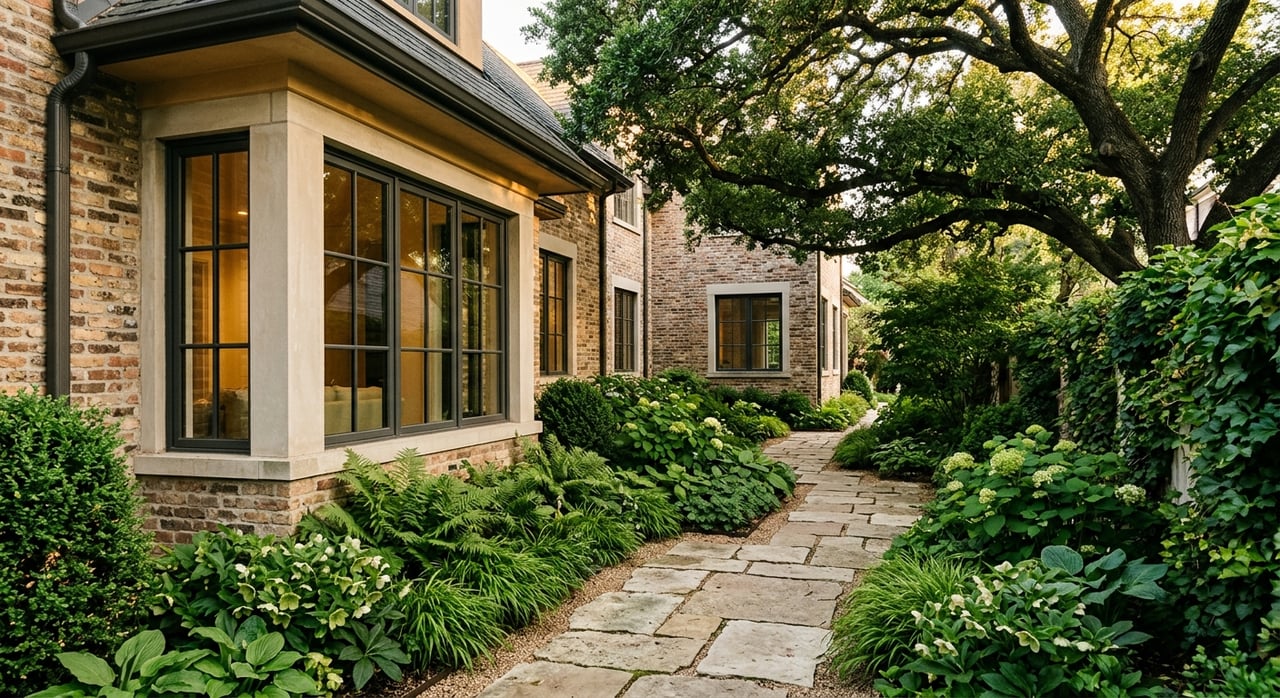
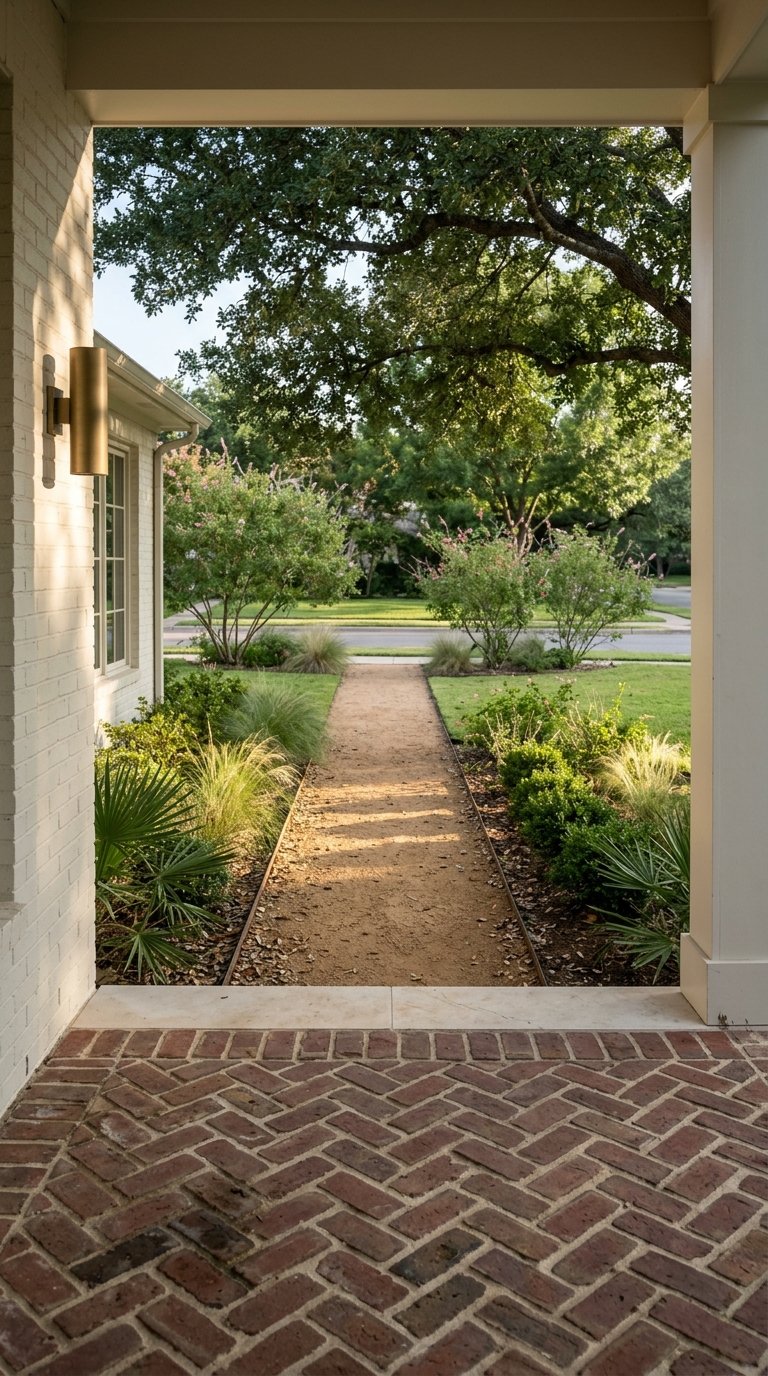
That close-in setting is only part of the story. City planning materials describe Central West Austin as predominantly residential, with most residential land occupied by single-family structures and about 51% tree canopy cover. In practical terms, that helps explain why Tarrytown often feels leafy, settled, and low-rise even though it is near some of Austin’s busiest destinations.
Parks Shape Daily Life
One of the most appealing things about Tarrytown is that outdoor space is woven into everyday routines. Instead of relying on one oversized destination park, the neighborhood benefits from a mix of smaller parks, a larger preserve, and nearby recreation spots that support regular use.
That matters if you want a neighborhood where outdoor time feels easy to repeat. A quick walk, a stop at a local park, or an early swim can become part of your week without much planning.
Tarrytown Neighborhood Park
The City of Austin lists Tarrytown Neighborhood Park at 2.2502 acres. It is one of the area’s simple, practical green spaces that helps support the neighborhood’s day-to-day rhythm.
For buyers, that kind of park presence often adds to the sense of livability. It is less about a big event destination and more about having a nearby outdoor option built into your surroundings.
Reed Neighborhood Park
Reed Neighborhood Park offers another layer of outdoor access, with the city listing it at 6.369 acres. Together, Reed and Tarrytown Neighborhood Park give the area multiple neighborhood-scale places to get outside.
That variety can make a difference when you are choosing where to live. You are not limited to a single green space, which can make the neighborhood feel more flexible and more usable over time.
Mayfield Park
Mayfield Park adds a very different kind of outdoor experience. Austin Parks describes it as a 23-acre preserve on West 35th Street with gardens, ponds, paths, and peafowl.
This is one of the features that gives Tarrytown a quieter, established character. It offers a scenic, low-key setting that feels distinct from Austin’s busier recreation zones while still being right in the city.
Deep Eddy Pool Nearby
Deep Eddy Pool is another important part of the area’s lifestyle. The City of Austin describes it as a historic, man-made swimming pool and the oldest swimming pool in Texas.
That kind of long-standing local amenity adds personality to the broader Tarrytown area. For many people, places like Deep Eddy help define the neighborhood’s daily rhythm just as much as streetscapes or architecture do.
Lake Access Without a Waterfront-Only Identity
Tarrytown is often associated with water, but it is more accurate to think of it as a neighborhood with convenient access to several kinds of outdoor recreation. It is not defined only by waterfront living.
Instead, the appeal comes from being close to Lake Austin access points, nearby trails, and water-oriented recreation that can fit different lifestyles. That gives you options, whether you prefer boating, paddling, running, or biking.
Walsh Boat Landing
For formal Lake Austin access, Walsh Boat Landing is the key city-managed location to know. Austin Parks says it is a concrete boat ramp on Lake Austin, and the city’s annual reporting identifies it as adjacent to Tarrytown at 1600 Scenic Drive.
If lake access matters to you, this is one of the neighborhood’s most practical features. It gives nearby residents a direct connection to Lake Austin without making the entire identity of the neighborhood revolve around waterfront property.
Butler Trail and Shoal Creek Trail
Tarrytown also benefits from being near Austin’s core trail network. The Ann and Roy Butler Hike-and-Bike Trail at Lady Bird Lake is a 10-mile trail and one of the city’s most visited recreational areas.
The Shoal Creek Trail system currently follows Shoal Creek for four miles from Lady Bird Lake to 38th Street, with city-led extensions and improvements underway. Together, these trail connections strengthen Tarrytown’s appeal for residents who want easy access to movement, exercise, and outdoor time across different parts of central Austin.
Laguna Gloria Adds Another Layer
Laguna Gloria brings a cultural and outdoor dimension to the area. The Contemporary Austin describes it as a 14-acre art-in-nature site on West 35th Street, and notes that it is only five miles from downtown.
This matters because Tarrytown’s lifestyle is not only about parks and trails. It also includes nearby places where art, landscape, and everyday recreation overlap in a way that feels very Austin.
What Buyers Will Notice About Homes
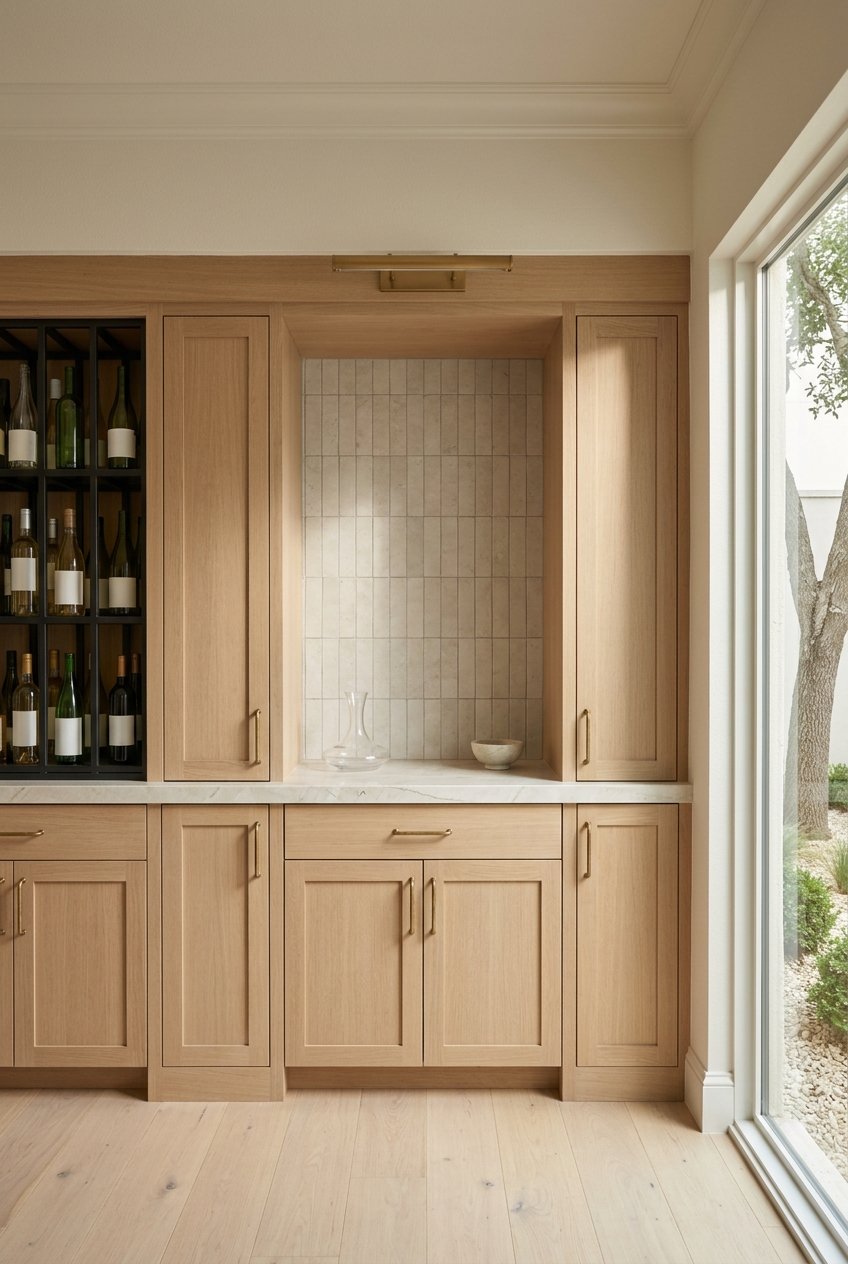
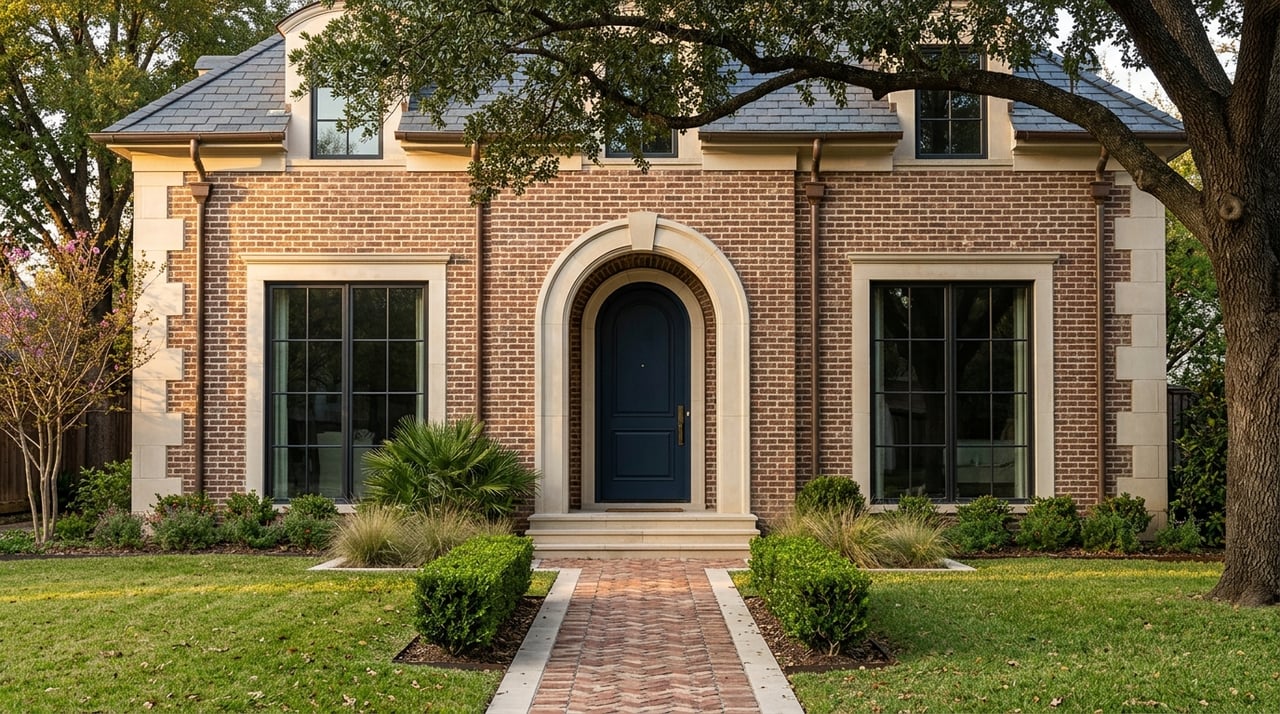
Tarrytown’s housing story is best understood as continuity paired with reinvestment. The neighborhood association describes the area as including historic older homes and estates, charming bungalows, and a broad mix in between.
City planning materials add helpful context. Tarrytown began developing in the 1910s as an early suburb, and the average size of homes built between 2000 and 2006 in East and West Tarrytown approximately doubled from historic averages.
That pattern points to meaningful renovation and rebuilding over time. If you are home shopping here, you are likely to see a mix of original character, updated homes, and newer larger residences that reflect how the neighborhood has evolved.
The Residential Pattern Matters
For many buyers, Tarrytown’s appeal comes from how the neighborhood feels block by block. City planning materials describe Central West Austin as predominantly residential, with the vast majority of residential land occupied by single-family structures.
That does not mean every home looks the same. It does mean the overall visual pattern stays primarily residential rather than heavily mixed-use or apartment-driven, which is an important distinction when you are comparing central Austin neighborhoods.
How to Think About Tarrytown as a Buyer
If you are deciding whether Tarrytown is the right fit, it helps to look beyond headline location. The real draw is often the combination of close-in convenience, mature tree cover, repeat-use outdoor amenities, and a long-established residential setting.
That mix can appeal to several kinds of buyers. You may be drawn to character homes, larger updated residences, access to Lake Austin, or simply the ability to stay central without giving up a quieter neighborhood feel.
Why the Daily Rhythm Stands Out
The best way to describe Tarrytown may be this: it supports a lifestyle built on small, meaningful routines. A neighborhood park, a swim at Deep Eddy, a visit to Mayfield, trail time near Lady Bird Lake, or access to the lake itself all contribute to how the area functions day to day.
That rhythm is part of what makes Tarrytown feel established rather than trendy. It offers a version of Central Austin living that is grounded in place, shaped by outdoor access, and supported by a residential pattern that has remained remarkably consistent over time.
If you are exploring Tarrytown or comparing Central and West Austin neighborhoods, working with a local advisor can help you understand how block-by-block character, home style, and lifestyle access come together. If you want thoughtful guidance on buying, selling, or leasing in this part of Austin, connect with Katherine Beckworth.
FAQs
What is Tarrytown’s location within Austin?
- Tarrytown is just west of downtown Austin and close to the University of Texas, generally between Lake Austin and MoPac, with Lake Austin Boulevard to the south and 35th Street to the north.
What parks are in and near Tarrytown?
- Key outdoor spaces include Tarrytown Neighborhood Park, Reed Neighborhood Park, Mayfield Park, and nearby Deep Eddy Pool.
What is the main Lake Austin access point near Tarrytown?
- Walsh Boat Landing is the key city-managed Lake Austin access point adjacent to Tarrytown, with a concrete boat ramp on Scenic Drive.
What trails are convenient to Tarrytown residents?
- Nearby trail options include the Ann and Roy Butler Hike-and-Bike Trail at Lady Bird Lake and the Shoal Creek Trail system.
What types of homes are common in Tarrytown?
- Buyers can expect a mix of older character homes, bungalows, estates, and newer larger homes or rebuilds.
What makes Tarrytown feel different from other central Austin neighborhoods?
- Tarrytown stands out for its close-in location, mature tree canopy, primarily single-family residential pattern, and easy access to parks, trails, and lake recreation.