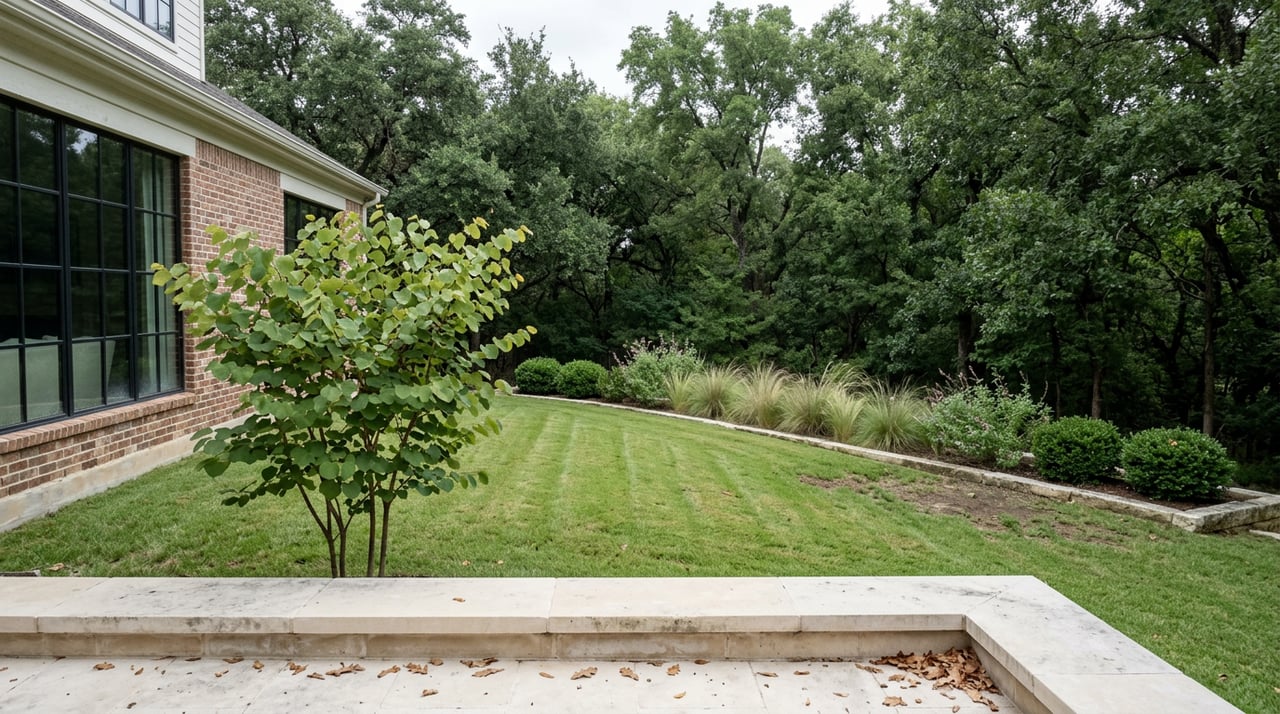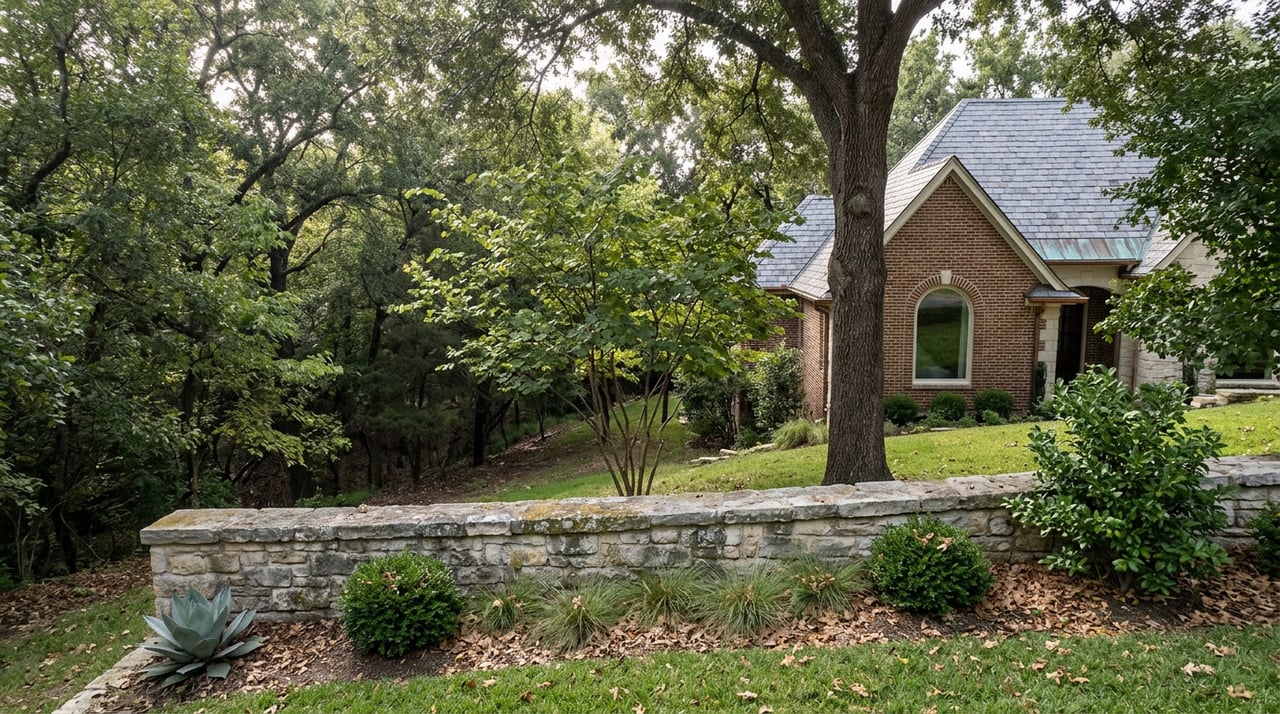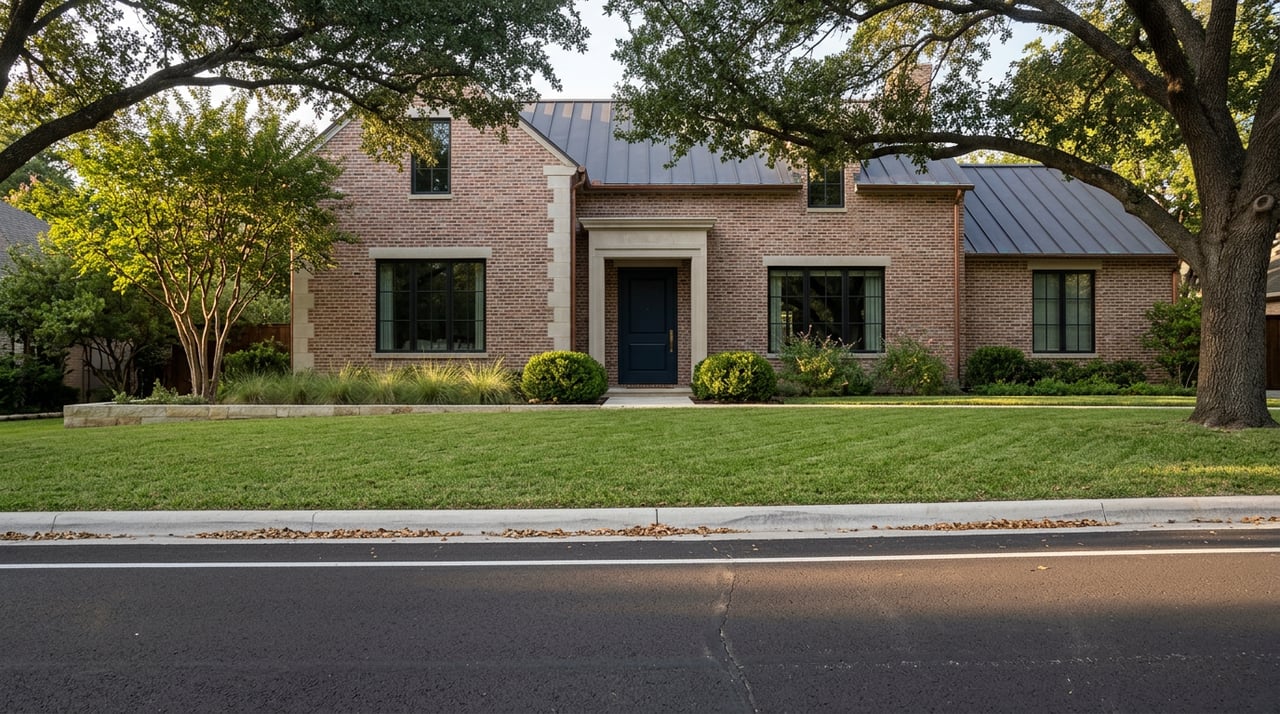
Picture two homes on the same cul-de-sac in West Lake Hills. Same decade of construction, same brick and limestone, same rough acreage, same price bracket. One owner has a legal obligation to pump the septic tank every three years. The other gets seven. Neither owner chose that schedule. Neither home inspector flagged it as unusual. The difference comes down to a boundary that runs somewhere between the two lots, one that shows up on a geological map and nowhere on a listing sheet.
That boundary is the edge of the Edwards Aquifer Recharge Zone, and once a buyer or seller understands where it falls, it changes what they owe, what they can be sued over, and what a lender might require before a loan closes.
The Ground Under West Lake Hills Isn't All the Same
West Lake Hills sits over terrain that behaves differently depending on where you're standing. According to the city's own stormwater education materials, parts of the community fall within the Edwards Aquifer Contributing Zone, and other parts fall within the Recharge Zone. In the Contributing Zone, rainfall soaks into the ground and moves downhill as spring-fed streams. Where those streams reach the Recharge Zone, limestone crevices and caves let that water drop straight into the aquifer below, the same aquifer a large part of Central Texas depends on for drinking water.
That geology is not a footnote. It's the reason the city regulates septic maintenance differently depending on which side of that line a given lot sits on.
The Three-Year Clock and the Seven-Year Clock
Under Ordinance No. 2020-018, the City of West Lake Hills requires residential septic systems located within the Edwards Aquifer Recharge Zone to be pumped once every three years. Systems outside that zone, even within the same city limits, are on a seven-year interval. A generic septic guide will tell a homeowner to expect pumping every three to five years. In West Lake Hills, the requirement isn't a range. It's a fixed number tied to a line most residents have never located on a map.
| Inside the Recharge Zone | Outside the Recharge Zone | |
|---|---|---|
| Required pump-out interval | Every 3 years | Every 7 years |
| Set by | Ordinance No. 2020-018 | Ordinance No. 2020-018 |
| How to confirm zone | TCEQ Edwards Aquifer Map Viewer or city staff | TCEQ Edwards Aquifer Map Viewer or city staff |
| Applies to | On-site sewage facilities (septic) only | On-site sewage facilities (septic) only |
A routine pump-out for a residential system typically runs a few hundred dollars, and a full inspection covering tank condition and drain field flow costs somewhat more on top of that. Those are manageable numbers on their own. The problem shows up when nobody checks the clock until a transaction is already underway, and the seller discovers the tank hasn't been pumped in five years on a lot that only allowed three.
The Paperwork That Has to Match the Ground
Texas Property Code Section 5.008 requires most sellers of residential property with one dwelling unit to give buyers a written disclosure notice describing the condition of the property. When a septic system is present, that disclosure is paired with a separate form, TXR-1407, which spells out the type of system, its age, and its maintenance history. This isn't paperwork a seller can leave blank and hope nobody asks about. Concealing a known defect, including a tank that has gone past its legally required pump-out date, exposes a seller to claims under the Deceptive Trade Practices Act, which can include actual damages and attorney fees on top of them.
West Lake Hills consistently prices among the highest ZIP codes in the Austin market. At that price tier, a septic dispute discovered after closing isn't a minor inconvenience. It's a legal and financial argument over what the seller knew and when, layered on top of a transaction where both sides expected the paperwork to be airtight from the start.
The fix is procedural, not complicated. Pull the pump-out records before listing. Compare the last service date against whichever clock applies to that lot's zone. If the system is due, schedule the service and complete the TXR-1407 with real dates attached, rather than waiting for a buyer's inspector to raise the question first.
Not Every Lot Is on Septic at All
Some West Lake Hills properties aren't on septic. The city maintains wastewater service through a third party, SI Environmental, and offers a process for connecting properties to a wastewater main or extending service into new areas. Homes tied into that system carry different obligations entirely. Since November 2024, properties with a grinder pump have paid a monthly fee of $35 on top of standard wastewater charges, an amendment the city council approved that September.
Here's a timing detail worth flagging directly. The wastewater rate schedule the city currently has published covers the period from August 29, 2024 through August 28, 2026. That window closes within days of this post going live. Anyone under contract right now on a wastewater-connected West Lake Hills property should confirm with the city whether a new rate schedule has been adopted before assuming the numbers on a current utility bill will still hold at closing.
That means a buyer touring West Lake Hills isn't comparing apples to apples from one listing to the next. One home may be entirely off municipal wastewater and subject to the ordinance's pump-out clock. The next may be tied into SI Environmental with a grinder pump quietly adding a recurring line item to the monthly cost of ownership. Neither fact tends to show up in a listing description, and both show up in the closing paperwork.
A Short List Before You List or Offer
- Look up the parcel on the TCEQ Edwards Aquifer Map Viewer to confirm whether it falls in the Recharge Zone, the Contributing Zone, or neither.
- Pull the septic pump-out records and check the last service date against the three-year or seven-year interval that applies to that zone.
- If financing with FHA or VA, confirm whether the septic system has already been evaluated against minimum property standards, since that evaluation can affect the closing timeline.
- If the home connects to SI Environmental wastewater, confirm whether a grinder pump fee applies and whether the rate schedule currently in effect has been renewed past August 28, 2026.
- Complete the TXR-1407 form with real dates and documentation attached before the listing goes live, rather than after a buyer's inspector asks the first question.
Common Questions Before You Sign
Does any of this apply if the home is already on municipal wastewater? The three-year and seven-year pump-out rules apply only to septic systems. A wastewater-connected home skips that particular obligation, but should still confirm whether a grinder pump fee applies and whether the current billing reflects whatever rate schedule is in effect after August 28, 2026.
Does paying cash make any of this irrelevant? Cash buyers aren't held to FHA or VA minimum property standards, so financing-driven repair timelines don't apply the same way. The disclosure obligations and the underlying city maintenance requirements still do. A septic system that's out of compliance with the ordinance is worth knowing about before closing regardless of how the purchase is funded.
How do I actually find out which zone a specific lot is in? The TCEQ's Edwards Aquifer Map Viewer is the state's own tool for checking recharge, transition, and contributing zone boundaries by address. City staff can also confirm zone status for a specific parcel on request.
West Lake Hills rewards buyers and sellers who do the quiet homework before the big decisions, not after. A line drawn by limestone and rainfall a half century before anyone built on this ridge still decides what a homeowner owes today, and it's the kind of detail that separates a smooth closing from a last-minute scramble.
If you're preparing to list a West Lake Hills home, or you're far enough along in a search that septic and wastewater questions are starting to matter, Katherine Beckworth can help you get the parcel-specific answers before they become closing-week surprises. Let's Connect.