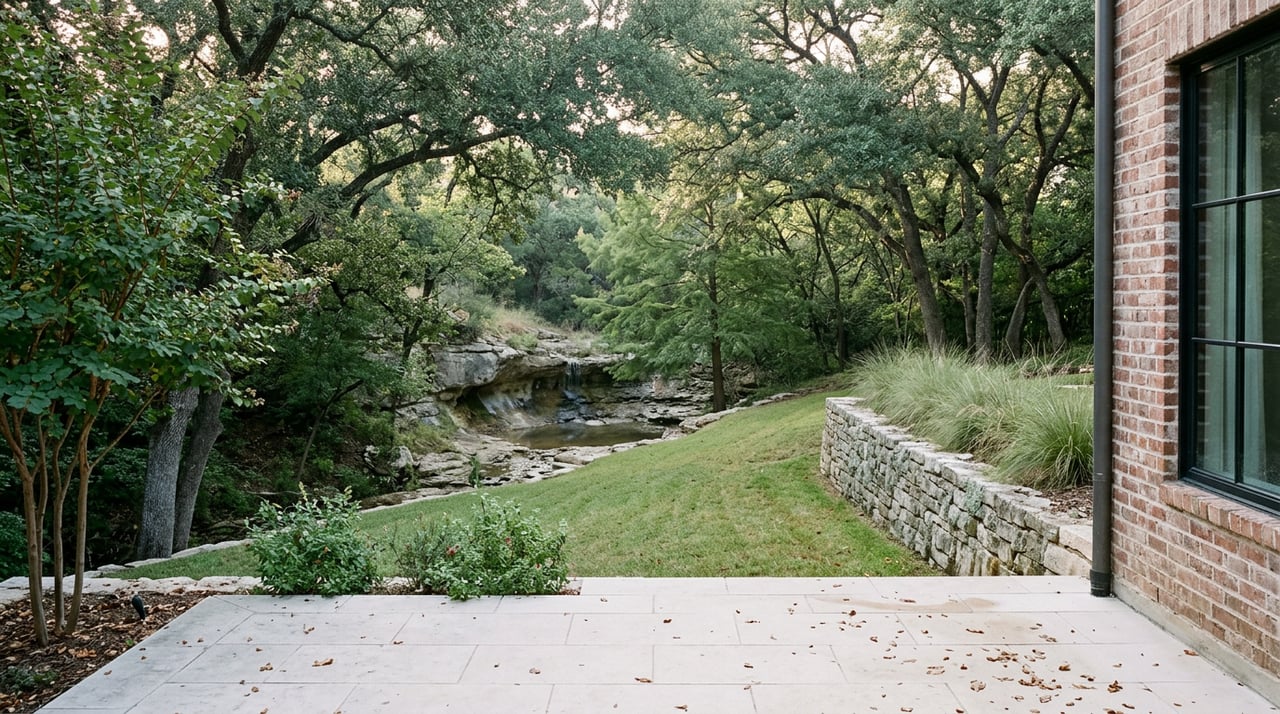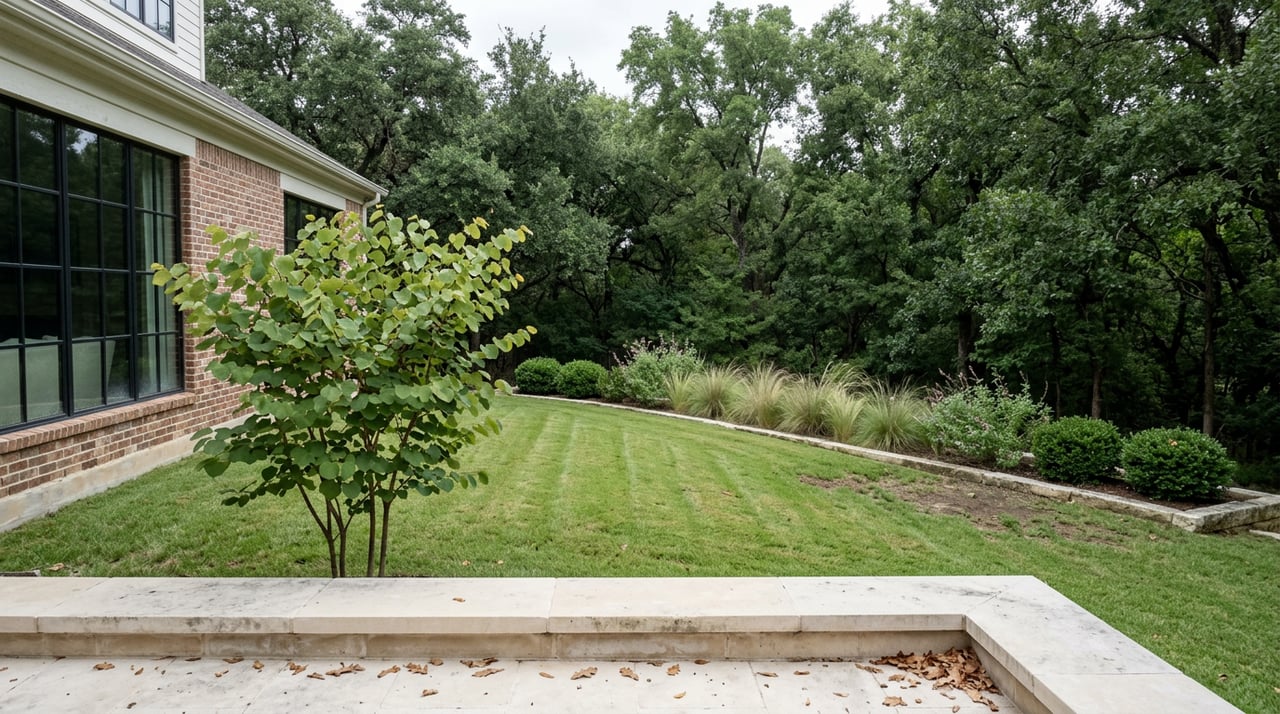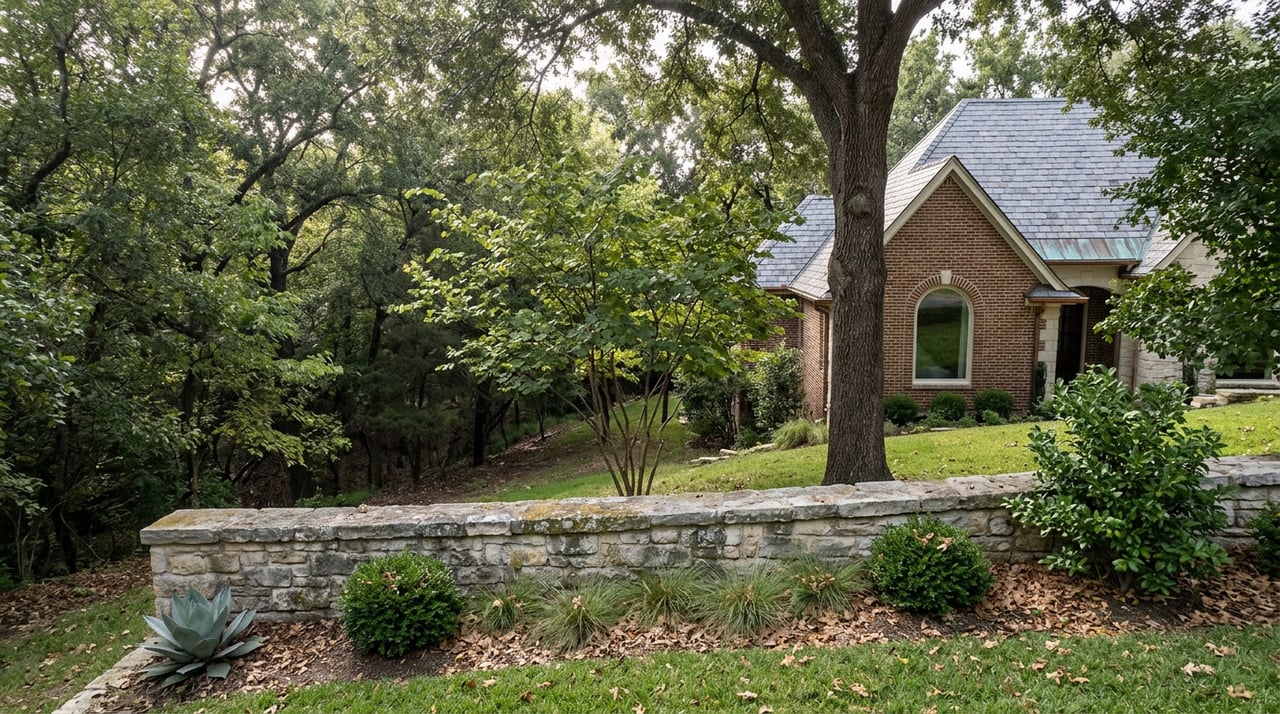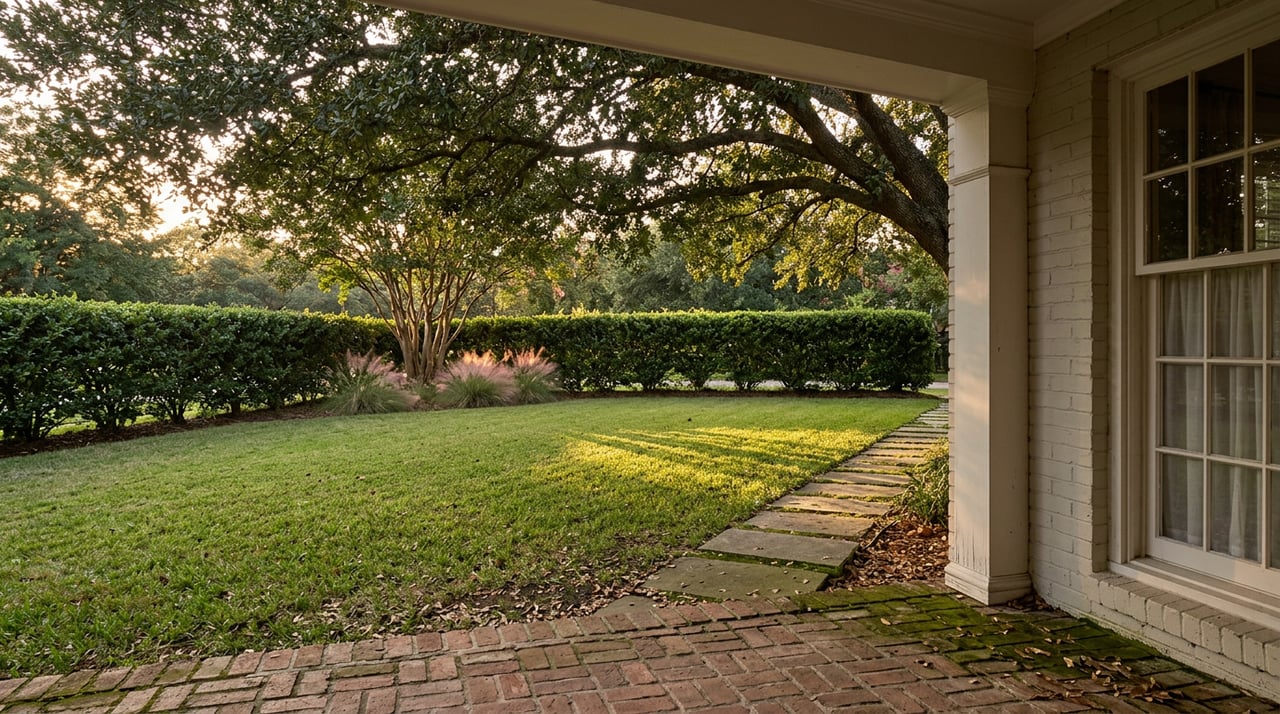
A few years ago, the City of Austin tried to build a modest three-bedroom home on a lot it had owned since 1970, tucked inside Bryker Woods. The plan was to sell it as affordable housing through the city's Community Land Trust. Neighbors sued, citing a decades-old deed restriction that set a minimum lot size the parcel didn't meet. A judge sided with the neighbors. The city ended up paying roughly $200,000 in legal fees to the homeowners who brought the case, and as of last year's reporting, the lot was still empty.
That case is worth knowing if you're looking at Bryker Woods today, because it answers a question a lot of buyers are asking about Central Austin without realizing it: does Austin's new zoning law actually apply where I'm shopping? In Bryker Woods, the honest answer is mostly no, and the reason has nothing to do with the city council.
What Austin's HOME Law Actually Changed
Austin's HOME ordinance, passed in phases starting in 2023, is the most significant rewrite of the city's residential zoning in decades. Phase 1 let homeowners build two or three homes on lots as small as 1,800 square feet, a fraction of the old 5,750 square foot minimum. Phase 2 went further, opening the door to single-family lot splits on even smaller parcels. City leaders are still adjusting the rules. In May 2026, council member Krista Laine sponsored a resolution to simplify parts of the ordinance after residents, builders, and city staff flagged confusing reviews and, in some cases, lawsuits.
The policy's effect on the ground has been real, but lopsided. A recent analysis of city permitting records found 622 addresses with active or completed HOME permits, authorizing 1,108 new housing units. Nearly half of that total, about 45 percent, landed in East Austin's Districts 1 and 3. The reason isn't mysterious. Those neighborhoods generally don't carry the private deed restrictions that much of West and Central Austin does, so builders can act on the new zoning without running into a wall the city itself can't remove.
Why Bryker Woods Sits Outside That Change
Bryker Woods is one of the neighborhoods with that wall already in place. The neighborhood's roughly 700 households sit across four platted subdivisions, known collectively as the CBB subdivisions: Brykerwoods Estates, Bellewood Subdivision, Brykerwoods Addition Section 2, and Clay Woods Section 1. Homeowners in the first three adopted recorded restrictive covenants effective May 2000. Clay Woods Section 1 adopted its own version in June 2005. Those documents, not the city's zoning code, are what a builder or buyer actually has to satisfy.
When the 2023 lawsuit reached a judge, the covenant's own language did the work: a single residence could be built on a lot, and that lot had to be at least 5,750 square feet. The city-owned parcel was 4,200 square feet. The city argued that other lots nearby were smaller and already had homes on them, the same argument that's come up in similar Austin covenant disputes. The judge enforced the restriction anyway.
Line up the numbers and the gap is stark:
| Citywide under HOME | Bryker Woods covenant | |
|---|---|---|
| Units allowed per lot | Up to three | One |
| Minimum lot size | As low as 1,800 sq ft | 5,750 sq ft |
| Who verifies deed restrictions | The property owner, per city policy | Enforced by neighbors in court when needed |
| Recent precedent | 1,108 units authorized citywide, concentrated in less-restricted areas | 2023 lawsuit upheld the covenant against the city itself |
The City of Austin's own development services page states plainly that verifying deed restrictions is the applicant's responsibility, not the city's. Council member Leslie Pool, who helped write HOME, told the Austin American-Statesman before the ordinance passed that homeowners association rules and deed restrictions would continue to supersede city zoning. Bryker Woods is the proof of that statement working exactly as described, including against the city that wrote the law.
The Four Subdivisions Aren't Identical
One detail worth sitting with if you're evaluating a specific address: the four Bryker Woods subdivisions don't all follow the same covenant word for word. Front setback distances differ between Clay Woods Section 1 and the other three subdivisions. Interior lot line setbacks differ between Bellewood Subdivision and the rest. The neighborhood's own homeowners association flags this directly, noting that a person planning to build should consult the specific covenant that applies to their lot and subdivision, along with the recorded plat, before assuming anything.
That means a blanket answer about "what Bryker Woods allows" is the wrong question. The right question is which of the four covenants governs the specific lot, and what that document actually says about setbacks and lot area on that particular street.
What This Means If You're Buying or Selling Here
If you're evaluating a Bryker Woods property with an eye toward a future lot split, an accessory dwelling, or a second unit under HOME's citywide allowances, the 2023 case is the clearest signal available that the covenant will likely hold. A judge already ruled in the neighborhood's favor once, against the city, on a lot size argument almost identical to what a builder would face today. That doesn't mean every project is impossible. It means the starting assumption should be the covenant, not the city code, and that assumption should be confirmed with a title search before a purchase contract is signed, not after.
If you're drawn to Bryker Woods because you want the tree-lined streets, the bungalow scale, and the historic district feel to stay roughly as they are, the same case works in the other direction. What's protecting that character isn't a city promise. City zoning changes with every council term, and HOME itself is already being revised less than three years in. What's protecting Bryker Woods is a private document that residents have shown they're willing to defend in court, which is a different and in some ways sturdier kind of guarantee.
A few practical steps if you're actively looking here:
- Ask for the specific recorded covenant that applies to the subdivision, not a general summary. The differences between the four are real.
- Don't price a lot based on HOME's citywide allowances without confirming the covenant permits it. The city won't check this for you during permitting.
- If a listing markets "development potential" in Bryker Woods, ask what that claim is based on. The 2023 case suggests it should be based on the deed, not the zoning map.
A Few Common Questions
Does this mean an ADU is impossible in Bryker Woods? Not automatically, but it depends entirely on which of the four subdivisions the lot sits in and what that specific covenant allows. There's no neighborhood-wide answer, only a lot-specific one.
Can these covenants be changed? Bryker Woods' own homeowners association describes the covenants as documents that may be amended over time by the residents bound by them. Any change would come from the neighborhood, not from the city.
Does this apply to other Central Austin neighborhoods too? Reporting on Austin's HOME rollout has named Tarrytown, Allandale, and Crestview as other neighborhoods with active, enforced deed restrictions that function the same way. Each neighborhood's covenant is its own document, so the specifics vary even where the pattern is similar.
Bryker Woods isn't resisting change so much as running on a different clock than the rest of the city. If you want to understand what a specific lot here can or can't become, the deed will tell you more than the zoning map will.
If you're weighing a purchase in Bryker Woods or comparing it to another Central Austin neighborhood, Katherine Beckworth can walk through what a given lot's covenant actually allows before you write an offer. Let's Connect.